
From Recipe Box 155
Vinegar Pie: A Sweet and Tangy Vintage Delight
About this recipe
- Recipe box
- Box 155
Vinegar Pie is a classic American dessert with roots in simple, frugal cooking. With a tangy, custard-like filling, this pie was created when fresh fruit was hard to come by, especially in rural areas or during the winter months. Despite its humble ingredients, Vinegar Pie delivers a unique and refreshing flavor that surprises with its subtle sweetness and tartness. Topped with whipped cream or nuts, it remains a vintage favorite that continues to charm dessert lovers.
Join our Vintage Recipe Facebook Group to discuss and find “new” old recipes to enjoy.
Links to find other recipes:

Vinegar Pie
Food History
Vinegar Pie belongs to a group of desserts known as “desperation pies.” These pies were made when traditional ingredients like fresh fruit or cream were unavailable. In the mid-1800s, especially during the pioneer era and the Great Depression, home cooks had to be resourceful, using whatever was available in their pantries. Vinegar, with its sharp acidity, was used to mimic the tang of fruit like lemons. By combining vinegar with sugar and eggs, cooks could create a pie with a surprising depth of flavor.
Though it may seem unusual today, vinegar was a common kitchen staple in earlier times, and its acidity helped balance the sweetness of desserts. Vinegar pies were popular in both rural and urban households, where fresh produce was expensive or hard to find. Over time, the recipe has evolved, with some versions adding lemon extract to enhance the tart flavor, making this pie a lasting favorite in vintage recipe collections.
Timeline
- Mid-1800s: Vinegar pies become a popular substitute for fruit pies in rural American homes.
- Early 1900s: Vinegar pie continues to be a staple in American kitchens, especially during the Great Depression.
- Present day: Vinegar pie remains a part of vintage recipe collections, offering a taste of old-fashioned frugality and creativity.
Recipe Discussion
The Vinegar Pie recipe is simple yet packed with flavor. The filling combines sugar, eggs, flour or cornstarch, and vinegar in a double boiler. Cooking the mixture gently in a double boiler helps prevent the eggs from curdling, creating a smooth and thick custard-like texture. The vinegar gives the pie its signature tang, while the sugar and butter soften the acidity, creating a balanced flavor.
A small amount of lemon extract is added just before the pie is finished, enhancing the tanginess and giving the pie a fresh, citrus-like flavor. This addition makes the vinegar less noticeable and gives the pie a flavor reminiscent of lemon custard. Once the mixture is thick and smooth, it is poured into a baked pie shell and allowed to set.
To add richness and texture, the pie can be topped with whipped cream or chopped nuts. The whipped cream, in particular, complements the tangy filling, while the nuts add a crunchy contrast. This pie is perfect served chilled or at room temperature, making it a versatile dessert for any occasion.
Preparation Tips
- Use a double boiler: Cooking the filling in a double boiler helps prevent the eggs from cooking too quickly or curdling. Stir continuously to ensure a smooth consistency.
- Adjust the tang: If you prefer a more subtle vinegar flavor, you can reduce the vinegar slightly or add more lemon extract for a more pronounced citrus flavor.
- Watch the consistency: The filling should be thick and smooth before you remove it from the heat. If it’s too runny, continue cooking until it firms up.
- Cool completely: Allow the pie to cool fully before slicing. This helps the filling set properly and makes for cleaner slices.
- Add toppings: Whipped cream or nuts make excellent toppings, adding sweetness and texture that complements the custard-like filling.
Recommended Kitchen Products
The links below lead to top-rated products on Amazon—if you use our links, we can save more recipes.
- Double boiler: A double boiler is essential for gently cooking custard-like fillings without curdling the eggs.
- Lemon extract: High-quality lemon extract adds a fresh, citrus flavor that brightens up the pie’s tangy filling.
- Pie server: A pie server makes cutting and serving slices easier without damaging the crust or filling.
Serving Suggestions
- Whipped cream: A dollop of whipped cream adds lightness and balances the tangy flavor of the filling.
- Chopped nuts: Sprinkle chopped pecans or walnuts on top for a crunchy contrast to the smooth filling.
- Fresh fruit: Serve with fresh berries, such as raspberries or strawberries, to add a pop of color and sweetness.
- Ice cream: A scoop of vanilla ice cream pairs well with the tartness of the pie, creating a delicious contrast.
A Tangy Treat from the Past
Vinegar Pie is a wonderful reminder of how creative cooks could be when faced with limited ingredients. With its tangy, custard-like filling and simple preparation, this pie remains a delicious way to enjoy a vintage dessert. Whether served with whipped cream, nuts, or fresh fruit, it offers a taste of history with every bite. If you’re a fan of unique, old-fashioned recipes, Vinegar Pie is definitely worth trying.
Start Your Recipe Box
- Start your recipe box or your family or friends. View New and Vintage Recipe Boxes
- View Recipe Cards and Templates
- View Recipe Card Protectors and Sleeves
Vintage Goodies
- Vintage Kitchenware on Etsy
- Vintage Recipes on Amazon
- Vintage Cookbooks on eBay
- Vintage Cookbooks on Etsy
VVinegar Pie Recipe

Vinegar Pie
Ingredients
- 1 cup sugar
- 2 eggs
- 2 tablespoons vinegar
- 2 tablespoons flour (or cornstarch)
- 1 cup wafer
- small lump butter or oleo
- 1/ teaspoon lemon extract
Instructions
- Combine A in double boiler cook till thick and smooth stirring occasionally
- Just before removing from heat add B
- Pour into baked 9" shell (even 8")
- Top with nuts, whip cream, etc.
More recipes from Box 155
Flip through the whole box
More dessert recipes
See them all
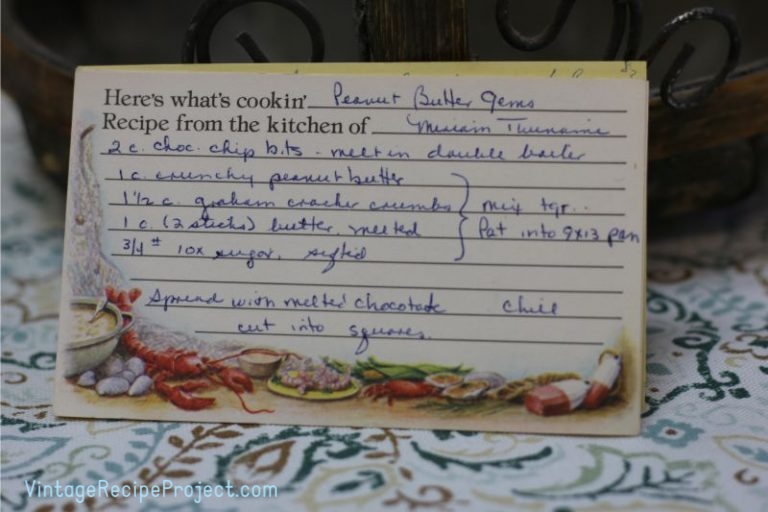
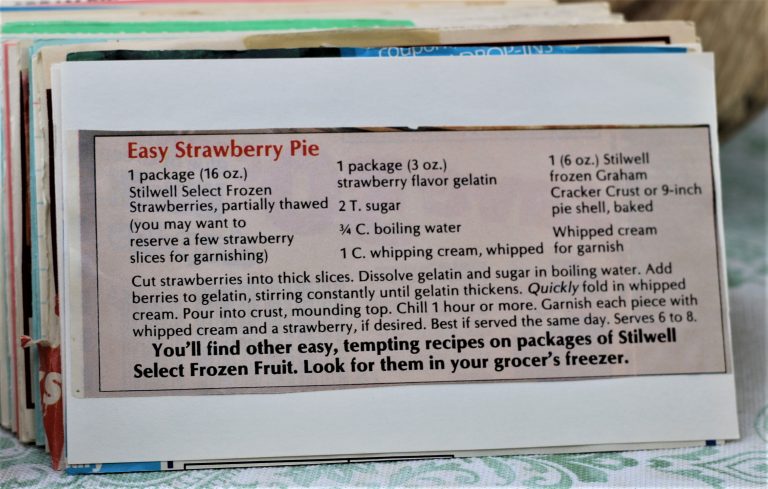

Do you know this handwriting?
If this recipe looks like one from your family’s kitchen, or you grew up eating this, tell us below.
Leave a memory