
JELL-O: A Timeless Dessert with a Colorful History
JELL-O is one of America’s most iconic and beloved desserts, known for its bright colors, jiggly texture, and endless versatility. Whether enjoyed as a simple snack, molded into elaborate shapes, or used as an ingredient in salads and desserts, JELL-O has been a part of American culinary culture for over a century. In this guide, we’ll explore the history of JELL-O, answer common questions about this popular treat, and delve into its unique place in food history.
Join our Vintage Recipe Facebook Group to discuss and find “new” old recipes to enjoy.
Links to find other recipes:

JELL-O
JELL-O FAQ
When was JELL-O invented?
JELL-O was invented in 1897 by Pearle B. Wait, a carpenter and cough syrup manufacturer from LeRoy, New York. Wait developed a fruit-flavored gelatin dessert by mixing powdered gelatin with sugar and flavoring. His wife, May Wait, coined the name “JELL-O.” However, the Waits were unable to market the product successfully, and in 1899, they sold the rights to the JELL-O name and recipe to Orator Francis Woodward, the owner of the Genesee Pure Food Company, for $450. Under Woodward’s leadership, JELL-O became a household name, and by the early 20th century, it was a staple in American homes.
What does JELL-O mean?
The name “JELL-O” is a trademarked brand name that combines “gelatin,” referring to the primary ingredient, with an “O” at the end to create a catchy and memorable product name. The addition of the “O” followed a popular branding trend of the time, where products like Postum cereal and Nabisco (short for the National Biscuit Company) used similar naming conventions to create brand identities that would stick in consumers’ minds.
What is JELL-O made of?
JELL-O is made primarily from gelatin, a collagen protein extracted from the bones, skin, and connective tissues of animals, usually cows and pigs. The gelatin is combined with sugar, artificial or natural flavorings, and food coloring to create the variety of flavors and colors that JELL-O is known for. When mixed with hot water, the gelatin dissolves, and as it cools, it solidifies into the familiar jiggly texture that makes JELL-O so unique.
Why is JELL-O served in hospitals?
JELL-O is commonly served in hospitals for several reasons:
- Easy to Digest: JELL-O is easy on the digestive system, making it suitable for patients recovering from surgery or illness, especially those with difficulty eating solid foods.
- Hydrating: JELL-O is primarily made of water, which helps keep patients hydrated, especially on restricted diets.
- Appealing Texture and Flavor: JELL-O’s soft, smooth texture is gentle on the stomach, and its sweet flavor can be comforting to patients who may not have much of an appetite.
- Nutritional Supplement: In some cases, JELL-O can be fortified with nutrients or used as a carrier for medications, making it a versatile food option in a medical setting.
What do British people call JELL-O?
In the United Kingdom, JELL-O is referred to as “jelly.” While Americans use the term “jelly” to describe a fruit spread similar to jam, in Britain, “jelly” refers to the gelatin dessert known as JELL-O in the United States. The term “JELL-O” itself is a trademarked brand name and is not commonly used outside North America.
The History of JELL-O: From Invention to Icon
JELL-O’s journey from a small-town invention to a cultural icon is a fascinating story of marketing ingenuity and changing American tastes.
- 1897: Pearle B. Wait invented JELL-O in LeRoy, New York, as a fruit-flavored gelatin dessert. However, Wait struggles to market the product successfully.
- 1899: Orator Francis Woodward purchased the rights to JELL-O for $450 and began marketing it under the Genesee Pure Food Company. His aggressive advertising campaigns and recipe booklets help boost JELL-O’s popularity.
- Early 1900s: JELL-O becomes a staple in American homes, thanks in part to creative marketing strategies, including using the famous JELL-O girl in advertisements and distributing free recipe booklets.
- 1920s-1930s: JELL-O expands its product line to include new flavors, including lime, cherry, and orange, and introduces instant pudding mixes.
- 1950s-1960s: JELL-O’s popularity soared during the post-war era, as convenience foods became a hallmark of American kitchens. JELL-O salads and molds have become a common feature at potlucks and family gatherings.
- 1974: Bill Cosby becomes the spokesperson for JELL-O, cementing its place in American pop culture. His commercials for JELL-O pudding and gelatin run for decades, making him synonymous with the brand.
- 21st Century: JELL-O remains a beloved treat, though its popularity has waned somewhat with the rise of health-conscious eating. However, it remains a nostalgic favorite and a versatile ingredient in various recipes.
Timeline of JELL-O: Key Moments in Its History
- 1897: Invention of JELL-O by Pearle B. Wait in LeRoy, New York.
- 1899: Orator Francis Woodward purchases the JELL-O brand and begins aggressive marketing.
- 1920s: Introduction of new flavors and the expansion of the JELL-O product line.
- 1950s: JELL-O becomes a symbol of American convenience food, with gelatin molds and salads becoming popular.
- 1974: Bill Cosby begins his long-running role as the face of JELL-O in television commercials.
- 2000s-Present: JELL-O remains a staple in American culture with a more niche appeal.
Making and Enjoying JELL-O: Tips and Tricks
While JELL-O is simple to make, there are a few tips to ensure it turns out perfectly every time:
- Use Hot Water: Always dissolve JELL-O powder in boiling water to ensure the gelatin fully dissolves. Stir for at least 2 minutes until completely dissolved before adding cold water.
- Chill Properly: Allow JELL-O to cool at room temperature before placing it in the refrigerator. This prevents condensation from forming on the surface, creating a watery texture.
- Add Fruits or Layers: After the JELL-O has been partially set, mix in fruits like berries, oranges, or pineapples for added texture and flavor. You can also create layered JELL-O by pouring different flavors in layers, allowing each to set before adding the next.
- Mold It: To create classic JELL-O molds, lightly grease the mold with a flavorless cooking spray before pouring in the JELL-O. This makes it easier to release the JELL-O when it’s fully set.
Fun with JELL-O: Classic and Creative Ideas
JELL-O is a versatile ingredient that can be used in a variety of fun and creative ways:
- JELL-O Shots: Popular at parties, JELL-O shots are made by mixing JELL-O with alcohol instead of water and then chilling them in small cups.
- Layered JELL-O: Create a rainbow or layered dessert by pouring different JELL-O flavors in layers, allowing each to set before adding the next.
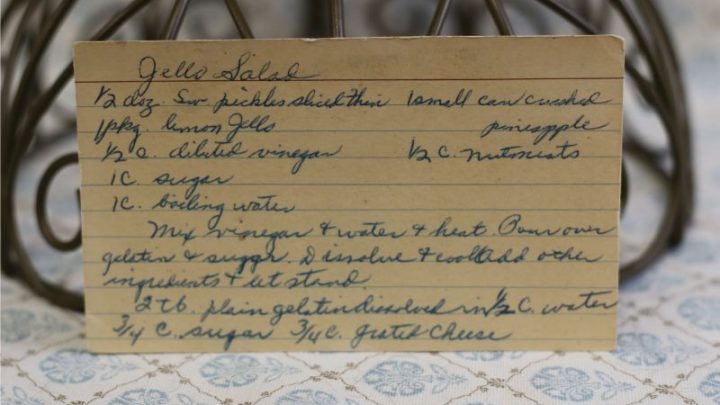
- JELL-O Salad: Combine JELL-O with fruit, nuts, or whipped cream to create a classic JELL-O salad, a popular dish at potlucks and family gatherings.
- JELL-O Art: Use cookie cutters to cut set JELL-O into fun shapes for kids’ snacks or party treats.
Get your jiggle on—National JELL-O Week kicks off the second full week of February! Dive into wobbly wonders and recipes that’ll make your dessert table shake with delight!
View other Food Holidays.
Ending on a Sweet Note: Jiggle All the Way
JELL-O’s enduring appeal lies in its simplicity, versatility, and the nostalgia it evokes. Whether you’re enjoying it as a simple dessert, using it to create elaborate molds, or getting creative with JELL-O shots, this iconic treat continues to bring joy to people of all ages. So next time you see that bright, jiggly dessert, remember you’re not just making a snack—you’re participating in a rich tradition that has been delighting families for over a century.
Recipes with JELL-O
Recipes with JELL-O




More food history
See them all

Do you know this handwriting?
If this recipe looks like one from your family’s kitchen, or you grew up eating this, tell us below.
Leave a memory