
From Recipe Box 144
Tangy Pork Marinade for Perfect Roasts
About this recipe
- Recipe box
- Box 144
This Pork Oriental Marinade recipe brings together sweet, tangy, and savory flavors to elevate your pork roast or tenderloin. With ingredients like soy sauce, frozen orange juice, and fresh ginger, this marinade provides a bold and delicious flavor profile, perfect for family dinners or gatherings.
Join our Vintage Recipe Facebook Group to discuss and find “new” old recipes to enjoy.
Links to find other recipes:
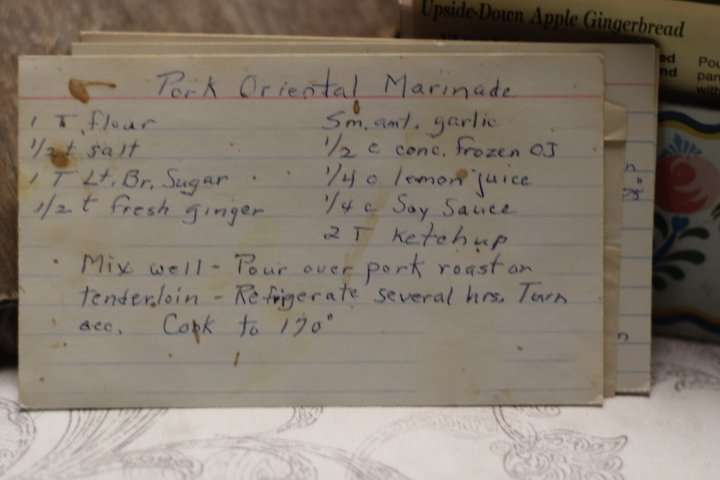
Pork Oriental Marinade
Pork Oriental Marinade FAQ
How long should I marinate the pork?
Refrigerate the pork with the marinade for at least 2 hours, but for the best flavor, marinate overnight.
Can I use this marinade for other meats?
Yes, this works well with chicken, beef, or even salmon for a flavorful twist.
What cut of pork is best for this marinade?
Pork tenderloin or pork loin roast absorbs the flavors beautifully and cooks evenly.
Is fresh ginger necessary?
Fresh ginger is preferred for its vibrant flavor, but ½ teaspoon of ground ginger can work as a substitute.
Can I bake or grill the marinated pork?
Absolutely! Bake in the oven at 350°F or grill until the internal temperature reaches 170°F for tender and juicy results.
Food History
Marinades have been used for centuries to tenderize and flavor meats, dating back to ancient cooking methods. This recipe blends elements of Asian-inspired flavors, including soy sauce and ginger, which are often found in Chinese and Japanese cuisine. The inclusion of frozen orange juice and ketchup gives it a mid-20th-century American twist, highlighting how vintage recipes often fused international ingredients with pantry staples.
Soy sauce, a staple of Asian cooking, adds umami depth to the marinade, while fresh ginger provides a zesty note. Orange juice and brown sugar offer a hint of sweetness, balancing the saltiness from soy sauce. This recipe captures the growing popularity of fusion flavors in the mid-1900s when home cooks began experimenting with global influences in everyday meals.
Timeline
- Ancient Times: Marinades using salt, vinegar, and herbs were first recorded as a method of tenderizing meats.
- 17th Century: Soy sauce becomes widely used in Asian cooking.
- 19th Century: Citrus juices, like lemon and orange, gain popularity in Western cooking.
- Mid-20th Century: Recipes incorporating soy sauce and ketchup emerge as a fusion of American and Asian flavors.
- Today: Marinades remain a versatile and popular way to enhance meats.
Recipe Discussion
This marinade combines sweet, tangy, and umami flavors in a simple yet effective way. Flour and brown sugar provide a slight thickening base and a caramelized finish. Fresh ginger and garlic deliver depth, while lemon juice and concentrated frozen orange juice add brightness and tang. The soy sauce balances the flavors with a savory punch, and ketchup provides both sweetness and a subtle acidity.
This versatile marinade penetrates the pork, making it tender, juicy, and full of flavor. The result is a roast or tenderloin that’s perfect for slicing and serving as a main dish. Whether roasted, grilled, or even cooked in a slow cooker, the meat retains moisture while developing a beautiful glaze.
Preparation Tips
- Marinate long enough: Allow the pork to marinate for at least 2 hours, or preferably overnight, to fully absorb the flavors.
- Use a resealable bag: Place the pork and marinade in a resealable plastic bag for even coating and easy cleanup.
- Turn the pork: Rotate the meat occasionally while marinating to ensure all sides absorb the flavors.
- Don’t skip fresh ginger: Fresh ginger adds a bright and authentic flavor; peel and grate it for the best results.
- Monitor the temperature: Use a meat thermometer to ensure the pork reaches 170°F for safe and perfectly cooked meat.
- Reduce the marinade: Boil any leftover marinade for a few minutes and serve it as a sauce for extra flavor.
Recommended Kitchen Products
The links below lead to top-rated products on Amazon—if you use our links, we can save more recipes.
- Meat Thermometer: Ensures your pork is perfectly cooked without over-drying.
- Marinade Injector: Helps infuse the pork with flavor quickly and evenly.
- Grill Pan: Ideal for grilling indoors while achieving beautiful sear marks.
- Glass Mixing Bowl Set: Perfect for preparing and storing marinades.
- Resealable Marinade Bags: Keeps your meat evenly coated while marinating.
Serving Suggestions
- Steamed Rice: Serve the pork slices with jasmine or basmati rice to soak up the flavorful juices.
- Stir-Fried Vegetables: Pair with a mix of broccoli, bell peppers, and carrots for a colorful side dish.
- Mashed Sweet Potatoes: The natural sweetness of sweet potatoes complements the tangy marinade.
- Asian Slaw: A refreshing slaw with cabbage, carrots, and sesame dressing balances the savory pork.
- Fresh Pineapple Slices: Grilled or fresh pineapple adds a tropical touch to the dish.
Why This Recipe Stands Out
This marinade is perfect for elevating pork roasts and tenderloins with minimal effort. It marries classic Asian flavors like soy sauce and ginger with familiar ingredients like ketchup and orange juice for a unique and delicious result. Simple to prepare and versatile enough for grilling, roasting, or slow cooking, this recipe is a must-try for busy home cooks looking for a flavorful twist.
Pork Oriental Marinade Recipe
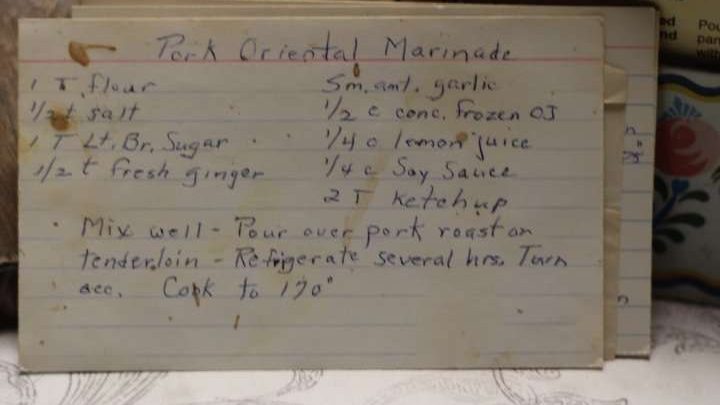
Pork Oriental Marinade
This tangy and savory Pork Oriental Marinade combines soy sauce, fresh ginger, brown sugar, and citrus flavors for tender, juicy pork that’s perfect for roasting or grilling.
Ingredients
- 1 tablespoon flour
- 1 teaspoon salt
- 1 tablespoon light brown sugar
- ½ teaspoon fresh ginger
- 5 small garlic cloves, minced
- ½ cup concentrated frozen orange juice
- ¼ cup lemon juice
- ¼ cup soy sauce
- 2 tablespoons ketchup
Instructions
- Mix all ingredients in a bowl until well combined.
- Pour the marinade over pork roast or tenderloin.
- Refrigerate for several hours or overnight to allow the flavors to absorb.
- Cook to an internal temperature of 170°F.
More recipes from Box 144
Flip through the whole box

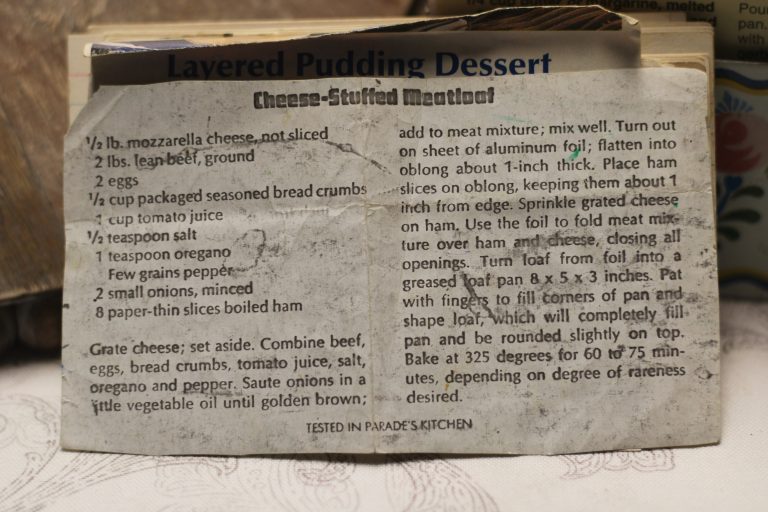

More condiment recipes
See them all
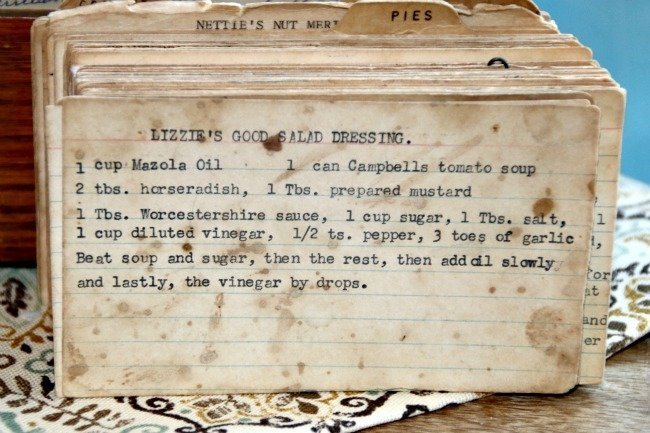

Do you know this handwriting?
If this recipe looks like one from your family’s kitchen, or you grew up eating this, tell us below.
Leave a memory