
From Recipe Box 151
Traditional White Fondant Recipe
About this recipe
- Recipe box
- Box 151
White fondant is a classic confection used as a base for candies, icing, and cake decorations. This vintage recipe (VRP 151) offers a traditional method of making white fondant from scratch, perfect for those who enjoy the art of old-fashioned candy-making. Unlike today’s store-bought fondant, this homemade version has a smooth, creamy texture and a mild sweetness that elevates any dessert.
The recipe uses basic ingredients: sugar, cream of tartar, and water. The cream of tartar stabilizes, preventing the sugar from crystallizing too quickly and ensuring the fondant remains smooth. The process requires careful attention, but the result is a versatile and authentic fondant that can be used for candies, frosting, or as a decorative element on cakes and pastries.
Join our Vintage Recipe Facebook Group to discuss and find “new” old recipes to enjoy.
Links to find other recipes:

White Fondant
Food History
Fondant has a long history in the culinary world, dating back to the early 18th century. Originally, it was a sugar paste used by confectioners to create decorative shapes and coatings for cakes. It became especially popular in Europe during the Victorian era, when elaborate cake designs were in vogue. At that time, fondant was made from sugar, water, and stabilizers like cream of tartar, as in this vintage recipe.
Fondant evolved over the years, with variations appearing in different forms—rolled fondant, poured fondant, and even fondant-based candies like cream-filled chocolates. In the early 20th century, recipes like this one became accessible in American cookbooks, allowing home cooks to try their hand at making fondant from scratch.
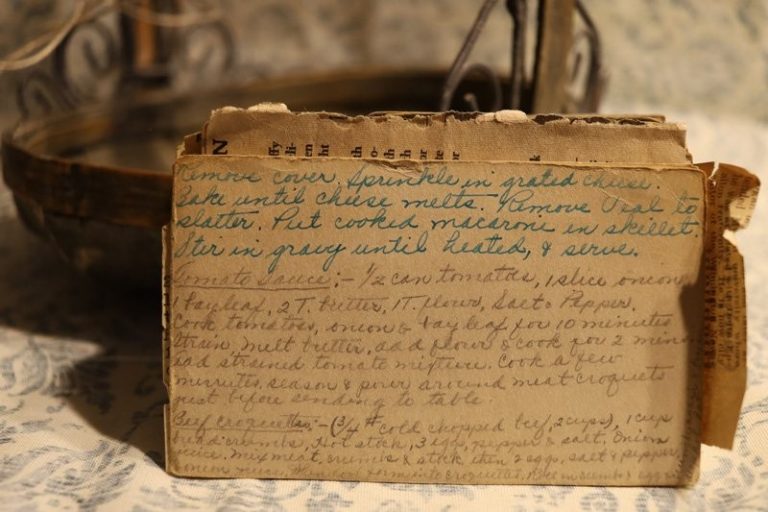
The notation on this recipe card indicates that it comes from a vintage collection associated with Washburn Crosby Company, a Minneapolis-based company known for its Gold Medal Flour brand. This company later became part of General Mills, a major player in American food production. Including Gold Medal Flour branding on recipe cards helped market their products, but this particular fondant recipe focuses solely on sugar and water, reflecting traditional confectionery techniques.
Timeline
- 18th Century: Fondant is used in Europe as a sugar paste for decorative cakes and pastries.
- 19th Century: Fondant gains popularity during the Victorian era for creating elaborate cake designs.
- Early 20th Century: Fondant recipes appear in American cookbooks, becoming accessible to home bakers.
- Present Day: Fondant remains a key ingredient in cake decorating, with both homemade and commercial versions available.

Recipe Discussion
This recipe for White Fondant requires only a few ingredients but careful attention to detail. It starts with 2½ lbs of sugar, 1½ cups hot water, and ¼ tsp cream of tartar. The sugar and cream of tartar are combined with the hot water in a smooth saucepan and heated gradually. Stirring constantly at this stage ensures the sugar dissolves evenly.
The mixture is brought to a boil without stirring until it reaches the soft-ball stage, approximately 238°F. This stage is critical, indicating the sugar has reached the right temperature to create a pliable fondant texture. Using a candy thermometer ensures accuracy, as boiling sugar can be quite sensitive to temperature changes.
After boiling, the recipe instructs you to wash down the sides of the pan to remove any sugar crystals, preventing the mixture from crystallizing prematurely. The fondant is then poured onto a slightly oiled marble slab or large platter, where it is left to cool. The marble slab helps to cool the mixture evenly, which is essential for achieving the right consistency.
Once the fondant has cooled enough to handle, it is worked with a spatula until it turns white and creamy. This process is vital in transforming the sugar mixture into a smooth, pliable fondant. Finally, the fondant is kneaded by hand until it reaches a soft, lump-free texture, then left to rest for 24 hours to allow it to fully set.
Preparation Tips
To get the best results when making this classic white fondant, keep the following tips in mind:
- Use a Candy Thermometer: This is essential for monitoring the temperature accurately. The mixture needs to reach exactly 238°F for the best texture.
- Wash Down the Sides of the Pan: Use a cloth dipped in cold water to wash any sugar crystals off the pan’s sides. This helps prevent crystallization, ensuring the fondant stays smooth.
- Oil the Surface: Pour the mixture onto a lightly oiled marble slab or a large, flat platter. The oil prevents sticking and allows for easy handling when it’s time to knead the fondant.
- Cooling Time: Let the mixture cool until it’s still warm but not too hard. If it cools too much, it becomes difficult to work with.
- Kneading: Once the fondant is partially set, knead it by hand until smooth and free of lumps. This step gives the fondant its creamy texture.
- Storage: Wrap the fondant tightly in oiled paper or plastic wrap to prevent it from drying out and forming a crust.
Recommended Kitchen Products
The links below lead to top-rated products on Amazon—if you use our links, we can save more recipes.
- Candy Thermometer: An essential tool for monitoring the temperature when making fondant. A digital thermometer ensures precise readings for perfect results.
- Marble Pastry Board: Ideal for pouring and cooling fondant. Marble helps cool the mixture evenly and provides a smooth surface for kneading.
- Heavy-Bottomed Saucepan: A heavy, smooth saucepan distributes heat evenly, which is crucial when working with sugar mixtures.
- Silicone Spatula: Useful for stirring and scraping the fondant mixture without sticking or scratching the pan.
Serving Suggestions
White fondant is a versatile base for many sweet treats. Here are some ideas on how to use it:
- Candy Centers: Roll the fondant into small balls and dip them in melted chocolate for homemade chocolate creams.
- Cake Frosting: Use the fondant as a smooth, white covering for cakes. Roll it out on a dusted surface and drape it over a cake for a professional finish.
- Fondant Flowers: Shape the fondant into flowers or other decorative elements for wedding or birthday cakes.
- Flavored Fondant: Add extracts like almond, mint, or lemon to the fondant as you knead it for a flavored variation.
- Holiday Treats: Cut the fondant into festive shapes using small cookie cutters, then dip in chocolate or dust with powdered sugar.
Bring Old-Fashioned Candy-Making into Your Kitchen
Crafting white fondant from scratch is a rewarding experience that connects you to traditional confectionery techniques. This classic recipe may take some patience and practice, but the result is a versatile and delicious fondant that can be used in a variety of ways. Whether you’re making candies, decorating cakes, or creating intricate fondant decorations, this recipe offers a timeless approach to a classic sweet treat. Embrace the process and enjoy the satisfaction of working with a vintage confection.
White Fondant Recipe

White Fondant
Ingredients
- 2½ lbs sugar
- 1½ cups hot water
- ¼ tsp cream of tartar
Instructions
- Combine the sugar, water, and cream of tartar in a smooth saucepan.
- Stir and gradually bring the mixture to a boil.
- Boil without stirring until it reaches 238°F (soft-ball stage). To test, drop a small amount in cold water; a soft ball should form.
- Wipe down any sugar adhering to the sides of the pan with a cloth dipped in cold water.
- Pour the mixture onto a slightly oiled marble slab or large platter.
- Let the fondant cool until it is warm but not completely hardened around the edges.
- Work the mixture with a spatula until it turns white and creamy, then knead it by hand until smooth.
- Store the fondant in a bowl covered with oiled paper for 24 hours to prevent a crust from forming.
More recipes from Box 151
Flip through the whole box


More dessert recipes
See them all


Do you know this handwriting?
If this recipe looks like one from your family’s kitchen, or you grew up eating this, tell us below.
Leave a memory