
The 1920s: A Decade of Prohibition, Innovation, and Culinary Creativity
The 1920s were a time of significant change and contrast in America, marked by the clash between Prohibition and the exuberant lifestyles of the Roaring Twenties. This decade saw the rise of speakeasies, where secret bars served forbidden cocktails, and the introduction of new and exotic foods to the American palate. At the same time, home cooks continued to develop and refine recipes that became staples in American kitchens. This was a period where the struggle for sobriety coexisted with a newfound love for experimentation and extravagance in dining. The 1920s left a lasting legacy on American cuisine, influencing everything from everyday meals to the most opulent feasts.
Join our Vintage Recipe Facebook Group to discuss and find “new” old recipes to enjoy.
Links to find other recipes:
1920s Timeline: Food, Brands, Magazines, Appliances, Ingredients, and Tools
1920:
- Egg Creams & French 75 Cocktail: Egg creams, a mix of milk, seltzer, and chocolate syrup, became a popular soda fountain treat, while the French 75 cocktail, a mix of gin, champagne, lemon juice, and sugar, gained popularity in speakeasies.
- Fleischmann’s Recipes: Fleischmann’s yeast promoted home baking with a variety of bread and cake recipes, encouraging home cooks to try new yeast-based creations.
- School and Home Cooking by Carlotta C. Greer: This cookbook became a standard reference in many homes, offering practical recipes and cooking techniques for both students and homemakers.
1921:
- Chiffon Pie, Mary Ann Cakes & Candle Salad: Chiffon pie, with its light and airy texture, became a dessert sensation, while Mary Ann cakes and the whimsical Candle Salad, made with bananas, pineapples, and cherries, delighted diners.
- Story of Crisco (with recipes): Crisco, the vegetable shortening, became a kitchen staple, with promotional cookbooks showcasing its versatility in baking and frying.
1922:
- Aunt Caroline’s Dixieland Recipes by Emma & William McKinney: This cookbook highlighted traditional Southern cuisine, preserving regional flavors and cooking methods.
- Jell-O Recipes: Jell-O, with its vibrant colors and endless possibilities, became a favorite ingredient for creative desserts and salads.
1923:
- Food for the Diabetic by Mary Huddleson: This book provided important dietary guidelines and recipes for diabetics, reflecting the growing awareness of dietary health.
- Svensk-Amerikansk Kokbok (Wisconsin): This Swedish-American cookbook offered a blend of traditional Swedish recipes adapted for American kitchens.
1924:
- Pineapple Upside-Down Cake & Caesar Salad: Pineapple upside-down cake, a dessert made with canned pineapple rings and maraschino cherries, became a beloved treat, while Caesar salad, created by Caesar Cardini in Tijuana, Mexico, gained international fame.
- Chocolate Covered Potato Chips: A sweet and salty snack innovation, chocolate-covered potato chips emerged as a novel treat.
1925:
- George Washington Carver’s Peanut Recipes: Carver’s work in promoting peanuts led to the creation of numerous recipes that showcased the versatility of this legume, including his famous peanut butter.
- Lemon Sponge Cake from 800 Proved Pecan Recipes: Lemon sponge cake became a popular dessert, often paired with pecans, reflecting regional tastes.
1927:
- Electric Refrigerator Recipes by General Electric: With the growing availability of home refrigeration, General Electric published recipes that took advantage of this new technology, promoting the preservation and preparation of foods in a modern kitchen.
- Here’s How (Prohibition Cocktails): Cocktail recipes flourished despite Prohibition, with books like “Here’s How” offering instructions for creating popular illicit drinks.
- S’mores & Mayonnaise Cake: S’mores, the classic campfire treat made with graham crackers, chocolate, and marshmallows, gained popularity, while mayonnaise cake, a moist and rich dessert, became a surprising favorite.
1928:
- Horseshoe Sandwiches & Black Bottom Pie & Cold Shape: The Horseshoe Sandwich, an open-faced sandwich with meat, fries, and cheese sauce, became an iconic dish in Illinois, while Black Bottom Pie, a layered chocolate and custard pie, and cold shapes, molded gelatin dishes, reflected the era’s love for visually appealing and indulgent desserts.
The Rise of Iconic Brands: Trustworthy Names in Every Kitchen
The 1920s were a time of brand consolidation and the rise of household names that would dominate American kitchens for decades to come. Fleischmann’s yeast, with its reliable leavening power, became a staple in homes across the country, revolutionizing home baking. Crisco, introduced earlier but gaining widespread popularity in this decade, replaced animal fats in cooking and baking, offering a versatile and shelf-stable alternative.
Jell-O, a brand that had been around since the late 19th century, truly came into its own during the 1920s. Its vibrant colors and endless flavor possibilities made it a favorite ingredient for desserts, especially molded salads and cold desserts that were visually striking and easy to prepare.
Land O’Lakes butter and Betty Crocker baking mixes also began to establish themselves as trustworthy brands, promising consistency and convenience. These brands not only provided reliable ingredients but also fostered a sense of community among home cooks, who could turn to these products for guaranteed success in the kitchen.
Popular Recipes: The Dishes That Defined a Generation
The 1920s saw the rise of several iconic recipes that have remained popular to this day. Pineapple Upside-Down Cake is one such recipe, combining the exotic appeal of canned pineapple with the convenience of a cake mix, often promoted by brands like Betty Crocker. This dessert became a favorite at potlucks and family gatherings, its bright, cheerful appearance mirroring the optimism of the decade.
Caesar Salad, created by Caesar Cardini in his Tijuana restaurant, quickly spread in popularity, offering a fresh and flavorful alternative to the heavier dishes of the time. The salad’s combination of crisp romaine, Parmesan cheese, croutons, and a tangy dressing was both sophisticated and simple, appealing to a wide range of diners.
Chiffon Pie, with its light, airy texture, became a popular dessert option, particularly for those looking to impress guests with a dish that was both elegant and delicious. The use of gelatin to stabilize the pie filling was a testament to the era’s love for Jell-O and its versatility.
S’mores, the quintessential campfire treat, also made their debut during this decade. Made with graham crackers, chocolate, and marshmallows, s’mores became a favorite snack for both children and adults, symbolizing the simple pleasures of outdoor dining.
Trendy Ingredients: A Peek Into the 1920s Pantry
The 1920s pantry was stocked with ingredients that reflected the decade’s love for convenience and experimentation. Canned goods, such as pineapple and vegetables, were popular due to their long shelf life and ease of use. These ingredients played a key role in many of the era’s popular recipes, such as Pineapple Upside-Down Cake and various casseroles.
Gelatin, particularly in the form of Jell-O, was a ubiquitous ingredient, used in everything from desserts to salads. The ability to mold gelatin into intricate shapes made it a favorite for home entertainers looking to impress their guests with visually appealing dishes.
Peanuts, promoted by George Washington Carver, became a versatile ingredient in both savory and sweet recipes. Carver’s extensive work in developing peanut-based recipes helped to popularize the legume as a nutritious and affordable food source, particularly in the South.
Mayonnaise, introduced earlier but gaining popularity in the 1920s, became a key ingredient in many recipes, from salads to cakes. The use of mayonnaise in baking, as seen in mayonnaise cake, demonstrated the era’s willingness to experiment with ingredients to achieve new textures and flavors.
Entertaining in the 1920s: Speakeasy Dining and Home Entertaining
The 1920s were marked by a unique dichotomy in American dining culture. On one hand, Prohibition led to the rise of speakeasies, where secret bars and restaurants served illicit cocktails and offered a lively, clandestine dining experience. These establishments often served simple, hearty fare that complemented the strong, often hastily made drinks, with salty snacks like pretzels and nuts being particularly popular.
At the same time, home entertaining remained a popular pastime, with hostesses priding themselves on their ability to create elegant and delicious meals. The influence of popular culture, including the glamour of Hollywood and the opulence of “The Great Gatsby,” inspired many to throw elaborate dinner parties featuring multiple courses, including hors d’oeuvres, salads, entrees, and desserts.
Picnics and outdoor gatherings also became popular, particularly during the summer months. Simple fare like sandwiches, potato salad, and lemonade were staples of these outings, reflecting the era’s emphasis on enjoying the pleasures of good food and company in a relaxed, informal setting.
Holidays like Thanksgiving and Christmas were celebrated with traditional menus that included roasted meats, pies, and rich side dishes, while New Year’s Eve parties often featured a mix of old and new traditions, with champagne being replaced by non-alcoholic “mocktails” in many homes due to Prohibition.
Conclusion: The Legacy of 1920s Cuisine
The 1920s were a decade of contrasts, where the restrictions of Prohibition coexisted with a newfound love for culinary experimentation and extravagance. The food of this era reflects the cultural shifts of the time, from the rise of convenience foods to the influence of speakeasy dining on American cuisine. The recipes, ingredients, and brands that emerged during this decade have left a lasting legacy, shaping the way Americans cook and eat to this day.
Whether it’s the simple pleasure of a s’more roasted over a campfire, the elegance of a Caesar salad served at a dinner party, or the nostalgic charm of a Pineapple Upside-Down Cake, the flavors of the 1920s continue to delight and inspire generations of cooks. This decade’s culinary innovations and traditions remain a cherished part of American food history, reminding us of a time when creativity and resilience were key ingredients in the kitchen.
More food history
See them all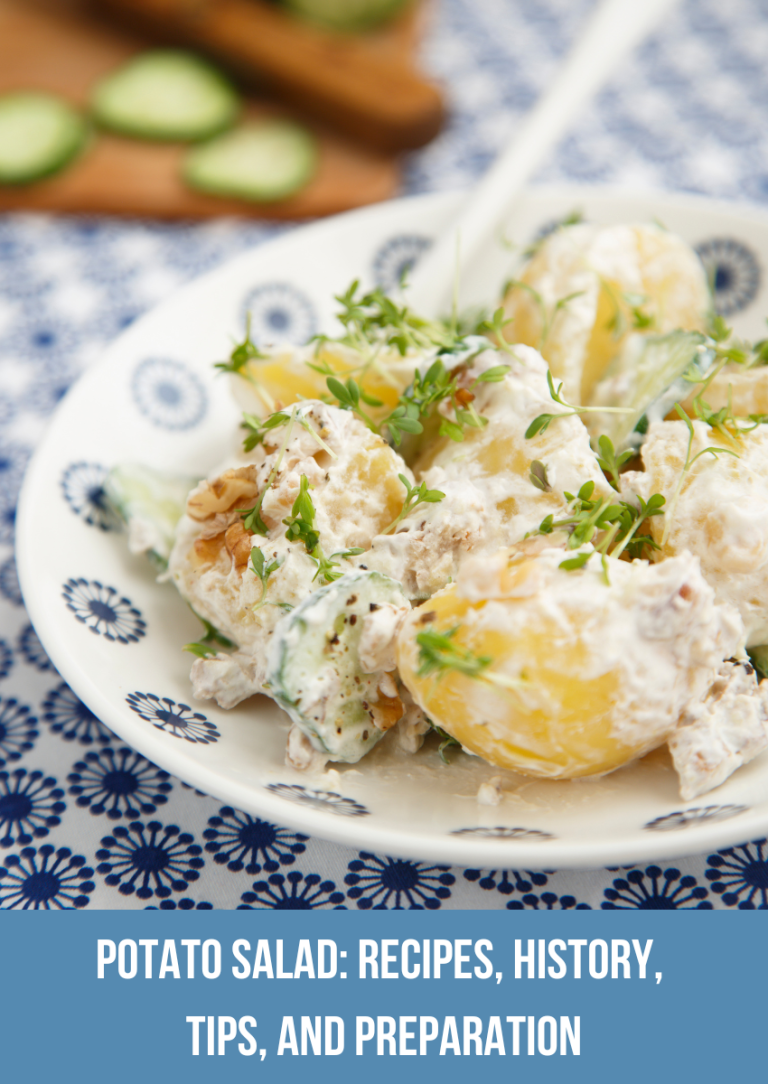


Do you know this handwriting?
If this recipe looks like one from your family’s kitchen, or you grew up eating this, tell us below.
Leave a memory