
Hearty Vintage Six Layer Dinner Casserole
The Six Layer Dinner is a nostalgic casserole recipe that combines layers of potatoes, ground beef, and vegetables for a hearty, satisfying meal. This dish comes from a collection passed down through Jean S., the daughter of Goldie Sowers, who is the matriarch of an eight-box vintage recipe collection from Morrow County, Ohio. Although we don’t know much about Erik K., the creator of this recipe, his simple yet comforting dish remains a cherished classic.
This casserole reflects the values of home cooking during a time when ingredients were straightforward, and family meals brought everyone together. With only a few affordable ingredients, it provides a complete meal, filling and flavorful, without requiring fancy techniques or hard-to-find items. Its layered approach not only looks appealing but also allows the flavors of each ingredient to develop and meld during baking. The long cooking time results in tender potatoes, savory beef, and softened vegetables, making this casserole a wholesome dish that’s perfect for family dinners.
Six Layer Dinner is simple enough for weeknights yet comforting and hearty enough for Sundays. It’s a versatile recipe that you can adjust based on what you have on hand. With potatoes, ground beef, celery, carrots, onions, tomatoes, and green bell pepper, this casserole includes a balanced mix of proteins, carbs, and vegetables, making it satisfying and filling. It’s a great dish to revisit if you’re looking for classic, home-cooked flavors that take you back to simpler times.
Join our Vintage Recipe Facebook Group to discuss and find “new” old recipes to enjoy.
Links to find other recipes:

Six Layer Dinner Casserole
Food History
Layered casseroles like the Six Layer Dinner became popular in American kitchens during the early to mid-20th century. At that time, families favored meals that used simple ingredients but were filling and easy to prepare. This recipe is a prime example of the “everything in one dish” concept that became especially common in rural and agricultural areas, where families depended on homegrown vegetables and affordable meats. The layering technique used in casseroles can be traced back to European influences, particularly French and English cuisine, where dishes like gratins and shepherd’s pie use similar methods.
Casseroles became household staples during the Great Depression and World War II when conserving resources was a necessity. These meals were economical, nutritious, and could be easily adapted to what was available. Recipes like this one often used locally available vegetables like potatoes, carrots, and onions, making them practical for home cooks.
In the 1950s, casseroles continued to grow in popularity as cookbooks and food companies promoted them as efficient ways to feed families with fewer ingredients. The layering method gave each ingredient its place in the dish, allowing for different textures and flavors. By the time this recipe card was written, casseroles had become comfort food favorites in many American households. Today, recipes like Six Layer Dinner hold nostalgic value, reminding us of family meals around the table and home-cooked flavors that stand the test of time.
Timeline
- 1800s: Early European settlers introduce layered dishes, including gratins and shepherd’s pie, to American cuisine.
- 1930s: Casseroles become popular during the Great Depression as affordable, filling meals.
- 1940s-1950s: Casseroles gain widespread popularity, particularly in American cookbooks and family dinners.
- 1960s-1970s: Layered casseroles like this Six Layer Dinner become household favorites, especially in rural and working-class communities.
- Today: Casseroles continue to be loved for their simplicity and comforting flavors, with vintage recipes like this one celebrated for their nostalgic appeal.
Recipe Discussion
This Six Layer Dinner combines classic ingredients, resulting in a hearty, layered casserole with a rustic charm. The ingredients are layered in a specific order to create a balance of flavors and textures. Potatoes form the base, providing a hearty and starchy foundation that soaks up juices and flavors from the other ingredients as it cooks. Ground beef, or “hamburger meat,” sits atop the potatoes, adding protein and a savory depth that permeates the entire dish.
The chopped celery and carrots add a mild sweetness and crunchy texture, balancing the rich flavors of beef and potatoes. Finely chopped onions add pungency and complexity, enhancing the flavors without overpowering them. Sliced tomatoes add moisture and a bit of acidity to the dish, which helps keep it from tasting too heavy. The green bell pepper on top adds a final layer of freshness and mild bitterness, bringing everything together.
Salt and pepper are the primary seasonings here, allowing each ingredient to contribute its natural flavor. Adding a small amount of margarine between each layer helps the ingredients cook evenly and gives the casserole a rich, buttery taste. The long baking time at 300 degrees Fahrenheit is essential, as it allows the potatoes to soften, the vegetables to meld, and the ground beef to fully cook. This low-and-slow approach is key to achieving the casserole’s tender texture and well-developed flavors.
Preparation Tips
- Layer evenly for even cooking: Make sure to slice vegetables evenly and spread them across the entire dish for a balanced texture in every bite.
- Use lean ground beef: Choose lean ground beef to avoid excess grease in the dish. You can also drain the meat if it releases too much liquid during cooking.
- Add seasoning between layers: Salt and pepper each layer lightly as you go for a well-seasoned casserole throughout.
- Experiment with additional herbs: Try adding dried thyme, rosemary, or garlic powder for extra flavor. These herbs go well with beef and vegetables.
- Substitute margarine with butter if preferred: If you prefer, use small pats of butter between layers instead of margarine for a richer taste.
- Consider covering with foil: If the top layer starts browning too quickly, cover the dish with foil for the remainder of the baking time.
- Test doneness with a fork: Check the potatoes by inserting a fork to ensure they’re fully cooked and tender before serving.
Recommended Kitchen Products
The links below lead to top-rated products on Amazon—if you use our links, we can save more recipes.
- Glass Casserole Dish: A durable, deep glass dish is ideal for layered casseroles, allowing you to see the layers as they bake.
- Mandoline Slicer: This tool makes it easy to slice potatoes, carrots, and other vegetables evenly, which is essential for even cooking.
- Silicone Basting Brush: Perfect for spreading small amounts of margarine or butter between layers without disturbing the ingredients.
- Heavy-Duty Aluminum Foil: Useful for covering the dish if the top layer starts browning too quickly during baking.
Serving Suggestions
- Buttered Rolls or Garlic Bread: Serve with warm, buttered rolls or garlic bread for a satisfying addition that complements the casserole’s savory flavors.
- Side Salad: A simple side salad with a light vinaigrette or lemon dressing provides a refreshing contrast to the hearty casserole.
- Steamed Green Beans: Lightly steamed green beans with a sprinkle of salt make a healthy side dish that complements the meal.
- Pickled Beets or Relish: Adding a side of pickled beets or relish can bring a bit of tanginess to the table, balancing out the richness of the dish.
- Mashed Sweet Potatoes: For a unique twist, pair the casserole with mashed sweet potatoes to add a touch of sweetness to the meal.
- Applesauce: This traditional side adds sweetness and balances out the savory flavors in the casserole, making it a comforting and familiar pairing.
A Classic, Family-Friendly Casserole
This Six Layer Dinner is more than just a recipe; it’s a comforting piece of culinary nostalgia. Its simple ingredients and easy preparation make it accessible for cooks of all levels, while the long baking time lets the flavors meld and develop beautifully. This recipe captures the essence of family-style cooking, where everyone gathers around to enjoy a warm, satisfying meal. With a few straightforward steps and basic ingredients, this casserole delivers big on flavor and is perfect for feeding a family or bringing to a potluck. The Six Layer Dinner is a timeless dish that reminds us of the joys of sharing a home-cooked meal with loved ones, and its classic flavors are sure to become a favorite in your household.
Start Your Recipe Box
- Start your recipe box or your family or friends. View New and Vintage Recipe Boxes
- View Recipe Cards and Templates
- View Recipe Card Protectors and Sleeves
Vintage Goodies
- Vintage Kitchenware on Etsy
- Vintage Recipes on Amazon
- Vintage Cookbooks on eBay
- Vintage Cookbooks on Etsy
Six Layer Dinner by Erik K Recipe

Six Layer Dinner by Erik K
Six Layer Dinner is a vintage casserole recipe that layers potatoes, ground beef, vegetables, and tomatoes for a hearty, one-dish meal. Perfect for family dinners and full of comforting flavors.
Ingredients
- Irish potatoes
- Hamburger Meat
- Celery, chopped
- Carrots, chopped
- Onions, chopped fine
- Tomatoes
- Green pepper, chopped
- Margarine
- Salt
- Pepper
Instructions
- Place ingredients in an oiled baking dish in the order given
- Add bits of margarine on each level
- Bake in a slow oven at 300 degrees for 2 hours.
More casserole recipes
See them all
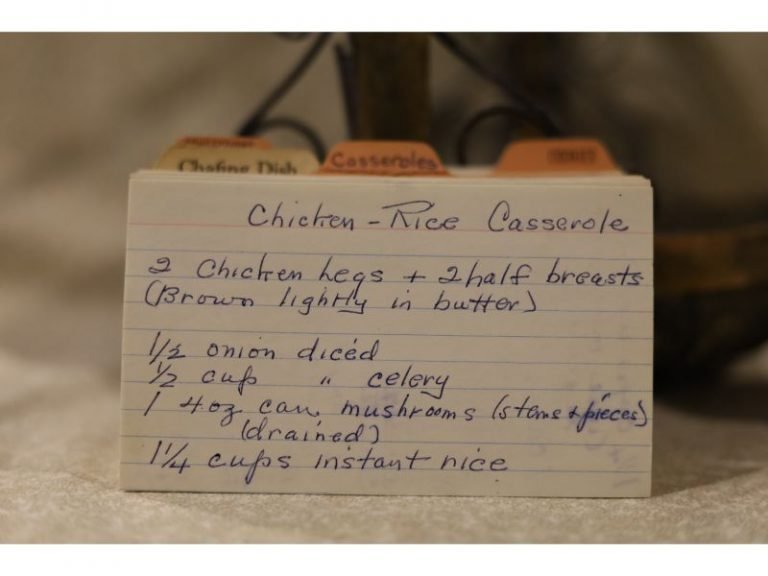


Do you know this handwriting?
If this recipe looks like one from your family’s kitchen, or you grew up eating this, tell us below.
Leave a memory
Your missing word is “oiled”, as in place ingredients in an oiled baking dish in the order given
Thank you!!! I updated the info