
Seafood Bisque: Recipes, History, Tips, and More for This Elegant Soup
Seafood bisque is a rich and creamy soup that showcases the flavors of the sea, traditionally made with shellfish such as lobster, crab, or shrimp. The smooth texture and complex taste come from blending the seafood with a base of cream, butter, and stock, often thickened with a roux or pureed vegetables. Seafood bisque is a favorite for special occasions and holiday dinners, but it’s also easy to make at home for a cozy, indulgent meal. The layers of flavor and velvety texture make bisque one of the most elegant seafood soups in the culinary world.
Join our Vintage Recipe Facebook Group to discuss and find “new” old recipes to enjoy.
Links to find other recipes:

Seafood Bisque
National Seafood Bisque Day
National Seafood Bisque Day is celebrated annually on October 19th, offering a perfect excuse to enjoy this decadent soup. This holiday highlights the versatility of seafood bisque, encouraging food lovers to experiment with different types of seafood and seasonings to create their version of this classic dish. Whether you’re making it with lobster, shrimp, or oysters, National Seafood Bisque Day is the ideal time to gather friends and family and share a bowl of this creamy, flavorful soup.
FAQ About Seafood Bisque
What is seafood bisque made of?
Seafood bisque typically includes shellfish such as lobster, shrimp, crab, oysters, and a base of cream, stock, and aromatics like onions, garlic, and herbs. Some versions include wine or brandy for added depth.
What’s the difference between a bisque and a chowder?
The main difference lies in texture. Bisques are smooth, creamy soups that are often pureed, while chowders tend to be chunkier with pieces of seafood or vegetables left whole. Bisques are also generally more refined, while chowders are heartier and less creamy.
How do you thicken a seafood bisque?
Bisques are traditionally thickened with a roux (a mixture of flour and fat) or by pureeing vegetables like carrots or tomatoes into the soup. Some recipes also use rice as a thickening agent.
Can you freeze seafood bisque?
Yes, seafood bisque can be frozen, but it’s important to note that cream-based soups may separate when thawed. To avoid this, freeze the soup before adding the cream, then stir in the cream after reheating.
History of Seafood Bisque
The origin of bisque can be traced back to French cuisine. Historically, bisques were made with shellfish, including lobster, crab, and shrimp, which were difficult to catch and thus considered a delicacy. Early versions of the soup were designed to use every part of the shellfish, including the shells, which were ground and cooked to extract maximum flavor.
The word “bisque” likely comes from the French phrase “bis cuites,” meaning “twice cooked.” This refers to the traditional method of roasting the shellfish before simmering them in broth, followed by straining the soup to achieve its signature silky texture.
Seafood bisque became popular in both Europe and America by the 19th century. In the U.S., restaurants and home cooks began preparing various bisques using local seafood, such as shrimp in the South and lobster in New England. Today, bisques have evolved to include different kinds of seafood, and variations like crab bisque, oyster bisque, and even salmon bisque are widely enjoyed. Despite the many changes over time, the heart of bisque remains the same—a rich, creamy, and smooth soup that showcases the flavors of fresh seafood.
Seafood Bisque Timeline
- 1600s: Bisque originates in France, primarily made with shellfish.
- 19th century: Seafood bisque gains popularity in European and American cuisine.
- 1900s: Restaurants begin offering seafood bisque as a fine dining option, using ingredients like lobster and shrimp.
- Today: Seafood bisque is widely enjoyed around the world, celebrated for its rich texture and elegant presentation.
Tips for Making Seafood Bisque
- Use high-quality seafood: Fresh seafood makes all the difference. Choose fresh lobster, shrimp, or crab to get the best flavor in your bisque.
- Don’t skip the shells: If you’re using shellfish, save the shells and simmer them with the broth for added depth of flavor.
- Add wine or brandy: A splash of white wine or brandy adds a layer of complexity to the bisque. Just be sure to cook off the alcohol before adding the seafood and cream.
- Puree for smoothness: To achieve that classic bisque texture, use an immersion blender or food processor to puree the soup until it’s silky smooth.
- Finish with cream: Stir in the cream at the end of cooking to keep the bisque rich and smooth without curdling.
- Balance the flavors: Seafood bisque should have a balance of richness from the cream and brightness from ingredients like lemon juice or fresh herbs. Taste as you go and adjust seasoning accordingly.
- Serve warm: Bisque is best served warm, not piping hot, to allow the flavors to shine through without being overwhelmed by the heat.
Recommended Kitchen Products
The links below lead to top-rated products on Amazon—if you use our links, we can save more recipes.
- Immersion blender: For achieving the smooth, creamy texture of a bisque, an immersion blender is essential. It allows you to blend the soup directly in the pot, making cleanup easier.
- Dutch oven: A heavy-duty Dutch oven is perfect for slow-cooking seafood bisque, ensuring even heat distribution.
- Fine mesh strainer: If you’re using shellfish like lobster or shrimp, a fine mesh strainer helps remove bits of shell and achieve a smooth bisque.
- Seafood stock base: If you don’t have time to make your own stock, a high-quality seafood stock base can enhance the flavor of your bisque.
- Ladle: A sturdy ladle makes serving bisque easy and ensures that you get every last drop of the delicious soup.
Serving Suggestions
- Crusty bread: Serve seafood bisque with a side of warm, crusty bread to soak up the rich broth.
- Garnished with herbs: Fresh parsley, chives, or dill add a pop of color and brightness to the bisque’s rich flavors.
- Topped with seafood: For a beautiful presentation, add a few pieces of whole shrimp, lobster, or crab.
- With a glass of white wine: A crisp, dry white wine like Sauvignon Blanc or Chardonnay pairs beautifully with the creamy richness of seafood bisque.
- As a starter or main course: While bisque is often served as a starter, it can also be enjoyed as a main course with a salad or light side.
Enjoy Seafood Bisque Year-Round
Seafood bisque is a luxurious dish that’s perfect for special occasions but simple enough to make for a weeknight dinner. Its rich, creamy texture and deep seafood flavors make it a comforting and indulgent choice. Whether you’re celebrating National Seafood Bisque Day or simply craving a hearty bowl of soup, seafood bisque is a timeless classic that never disappoints. Try experimenting with different seafood options, spices, and garnishes to make this dish your own.
Seafood Bisque Recipes
Seafood Bisque Recipes


More uncategorized
See them all


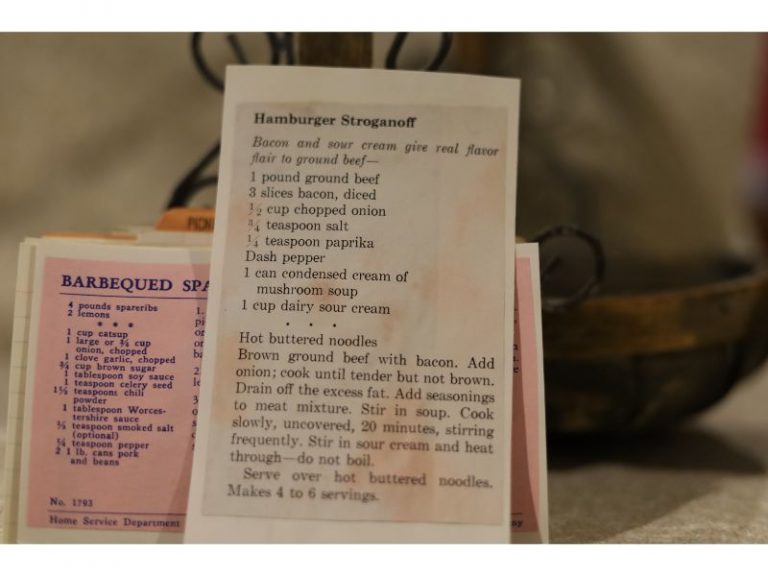
Do you know this handwriting?
If this recipe looks like one from your family’s kitchen, or you grew up eating this, tell us below.
Leave a memory