
From Recipe Box 151
Tangy and Savory Sauerbraten (Sour Roast) Recipe
About this recipe
- Recipe box
- Box 151
Sauerbraten, often referred to as Sour Roast, is a classic German dish full of deep, complex flavors. This recipe features a long marinade that tenderizes the meat and infuses it with a unique, slightly tangy taste. Sauerbraten is a slow-cooked meal perfect for cozy family gatherings or festive holiday dinners, traditionally served with hearty sides like red cabbage or potato dumplings.
Join our Vintage Recipe Facebook Group to discuss and find “new” old recipes to enjoy.
Links to find other recipes:

Sour Roast
Food History
Sauerbraten is one of Germany’s national dishes, with its origins rooted deeply in the country’s culinary history. The name “Sauerbraten” translates to “sour roast,” referring to the marinade that is integral to the dish. Historical records trace the roots of Sauerbraten back to the Rhineland region. Some sources suggest that Julius Caesar himself may have inspired this cooking method, as the practice of marinating meat in vinegar to preserve it predates modern refrigeration.
The dish was originally a way to tenderize and flavor tougher cuts of meat. In German households, Sauerbraten has evolved to include many regional variations, with some recipes adding gingersnaps or red wine to the marinade for a hint of sweetness. Over time, this meal has become a beloved staple in German-American kitchens, bringing a taste of old-world tradition to modern tables.
Sauerbraten: the slow-marinated masterpiece that turns ‘beef’ into ‘bravo!’ Get ready to savor the tangy, tender goodness with our recipe roundup—where patience meets delicious payoff.
Find your new German Sauerbraten recipe!
Timeline of Key Developments
- Ancient Rome: The use of vinegar and acidic marinades began as a way to preserve meat.
- Middle Ages: Sauerbraten becomes popular in Germany, especially in the Rhineland area.
- 19th Century: German immigrants bring Sauerbraten recipes to the United States.
- Today: Variations of Sauerbraten are enjoyed worldwide, often with different spice blends and sides.
Recipe Discussion
The heart of Sauerbraten lies in its marinade, which includes vinegar, water, onions, bay leaf, cloves, and black pepper. These ingredients create a powerful flavor base that tenderizes the meat and gives it its signature tang. A boneless cut of beef, like rump or bottom round, works well for this dish. The slow braising process breaks down the fibers, making the meat juicy and easy to slice.
This recipe uses simple, accessible ingredients that marinate the beef for a long time—at least a few days. This extended marination allows the flavors to seep into every inch of the meat. When the beef is cooked, the resulting aroma fills the kitchen with warmth, reminiscent of a traditional German meal. Some people like to add a touch of sweetness to balance the sour notes, like brown sugar or gingersnap cookies, though this recipe keeps it classic.
Preparation Tips
- Marinate for Several Days: For the best flavor, marinate the beef for at least three days. The longer, the better.
- Use an Enamel or Glass Dish: Avoid metal containers for marinating, as the vinegar could react with the metal and alter the flavor.
- Sear the Meat: Before braising, sear the meat on all sides to lock in the juices and add a rich, caramelized flavor.
- Cook Low and Slow: Use a low temperature and cook slowly to achieve tender, flavorful meat.
- Thicken the Sauce: Use crushed gingersnap cookies or cornstarch to thicken the gravy after cooking if you prefer a richer texture.
Recommended Kitchen Products
The links below lead to top-rated products on Amazon—if you use our links, we can save more recipes.
- Dutch Oven: A sturdy, enameled Dutch oven is perfect for slow-cooking and braising dishes like Sauerbraten.
- Meat Thermometer: Ensure the roast reaches the perfect internal temperature for maximum tenderness.
- Marinade Container: A glass or enamel dish works best for marinating acidic recipes like this one.
Serving Suggestions
- Potato Dumplings: A classic German side dish that soaks up the delicious gravy.
- Braised Red Cabbage: The sweet and tangy flavor pairs well with Sauerbraten.
- Spaetzle: German egg noodles that add a satisfying texture to the meal.
- Roasted Vegetables: Carrots, Brussels sprouts, or root veggies make a hearty accompaniment.
- Fresh Baked Rye Bread: Use this to mop up every last drop of the savory sauce.
A Hearty Tradition for Modern Kitchens
Sauerbraten brings a taste of Germany’s rich culinary history to your table. The slow-cooked, marinated beef is tender, flavorful, and satisfying, perfect for family meals or special celebrations. Take your time with this recipe, and savor the process of bringing old-world charm into your modern kitchen.
Start Your Recipe Box
- Start your recipe box or your family or friends. View New and Vintage Recipe Boxes
- View Recipe Cards and Templates
- View Recipe Card Protectors and Sleeves
Vintage Goodies
- Vintage Kitchenware on Etsy
- Vintage Recipes on Amazon
- Vintage Cookbooks on eBay
- Vintage Cookbooks on Etsy
Sauerbraten Sour Roast Recipe

Sour Roast
Sauerbraten, or Sour Roast, is a traditional German dish made with marinated beef, slow-cooked until tender. The vinegar-based marinade gives the roast its signature tang, making it perfect for family gatherings and festive dinners.
Ingredients
- 1 compact, boneless piece of beef (rump roast works well)
- 1 pint of vinegar
- 1 pint of water
- 1 onion, sliced
- 1 bay leaf
- 2 whole cloves
- Several black peppercorns
- 1 carrot, sliced
Instructions
- Prepare a compact, boneless piece of beef, ensuring the grain runs in one direction. It should be as you would prepare any ordinary roast.
- Boil at least one pint of vinegar and one pint of water. Add enough to cover the roast completely.
- Add the sliced onion, bay leaf, cloves, black peppercorns, and sliced carrot.
- Once the mixture reaches boiling, pour over the roast in an enamel or crockery dish.
- Cover and refrigerate, allowing the roast to marinate for several days.
- To cook, remove the roast from the marinade and brown it on all sides. Simmer the beef slowly, using the marinade as the cooking liquid, until tender.
More recipes from Box 151
Flip through the whole box


More dinner recipes
See them all
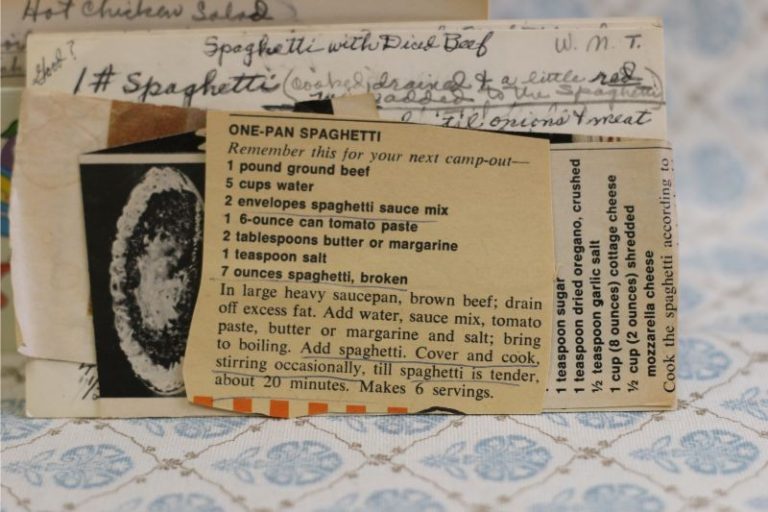


Do you know this handwriting?
If this recipe looks like one from your family’s kitchen, or you grew up eating this, tell us below.
Leave a memory