
From Recipe Box 151
Slow-Cooked Sauerbraten
About this recipe
- Recipe box
- Box 151
Sauerbraten is a treasured dish from German cuisine, known for its tangy and tender flavor. It’s a meal that warms the heart and brings families together, featuring a unique marinade of vinegar and spices. This dish has traveled through time, evolving from a simple preservation method to a signature meal of Germany. Imagine serving this flavorful roast on a chilly day, making the entire house smell heavenly with the aroma of cloves, bay leaves, and onions. It’s a slow-cooked feast that rewards patience with unforgettable taste.
Join our Vintage Recipe Facebook Group to discuss and find “new” old recipes to enjoy.
Links to find other recipes:

Slow-Cooked Sauerbraten
Food History
The origins of Sauerbraten reach deep into German history, rooted in a necessity to preserve meat. In early Europe, vinegar was a trusted preservative, used well before refrigeration. Roman soldiers brought this method of marinating meats into German lands. As time passed, Sauerbraten developed into a beloved dish, especially in the Rhineland area.
The preparation varied from region to region. Some recipes, like those in Bavaria, incorporate gingersnap cookies to add sweetness and thickness to the sauce. Sauerbraten became a staple in German households, especially on Sundays and special occasions. When German immigrants arrived in the United States, they continued to prepare this dish, ensuring it remained a part of their heritage. It is now celebrated during Oktoberfest and loved by many worldwide.
Sauerbraten: the slow-marinated masterpiece that turns ‘beef’ into ‘bravo!’ Get ready to savor the tangy, tender goodness with our recipe roundup—where patience meets delicious payoff.
Find your new German Sauerbraten recipe!
Timeline
- Ancient Rome: Introduction of vinegar as a meat preservative.
- Middle Ages: German regions began perfecting marinated beef dishes.
- 16th-17th Century: Widespread popularity in Germany with regional variations.
- 1800s: German immigrants brought Sauerbraten to the United States.
- Today: A celebrated part of German cuisine, enjoyed globally.
Recipe Discussion
Sauerbraten shines because of its rich marinade, which is both flavorful and functional. Vinegar tenderizes the meat, while bay leaves, cloves, and black pepper add depth. Using top round beef or similar cuts is best, as the marination process softens the fibers, resulting in fork-tender meat. Marinating for 48 hours, as the recipe suggests, ensures every bite is packed with flavor.
Browning the meat before slow-cooking brings out a savory richness, and using a Dutch oven allows for an even cook. The simmering process melds all the flavors, creating a tangy and aromatic sauce. After cooking, the meat should be sliced thinly, making it ideal for serving with traditional sides like dumplings or red cabbage. This dish takes time but is worth every minute.
Preparation Tips
- Marinate Properly: For the best flavor, let the beef marinate for at least two days. Cover it well in the marinade and refrigerate.
- Use a Dutch Oven: For even heat and perfect slow cooking, a Dutch oven is your best friend.
- Sear the Meat: Don’t skip browning the meat. It adds a deep, caramelized flavor to the final dish.
- Balancing Flavors: If the sauce is too sour, add a pinch of sugar to balance it out.
- Thickening the Sauce: For a thicker sauce, add crushed gingersnaps or cornstarch. This trick is common in many traditional recipes.
Recommended Kitchen Products
The links below lead to top-rated products on Amazon—if you use our links, we can save more recipes.
- Dutch Oven: Essential for searing and braising Sauerbraten, ensuring even cooking.
- Marinade Container: Keeps the beef fully submerged in the marinade, making preparation simple.
- Sharp Carving Knife: A good knife makes it easy to slice the beef thinly after it’s cooked, perfect for serving.
Serving Suggestions
- Potato Dumplings: Traditional German dumplings absorb the sauce beautifully.
- Braised Red Cabbage: The sweetness complements the tangy flavor of the roast.
- Roasted Root Vegetables: Carrots and parsnips provide a hearty, rustic side.
- German Spaetzle: Homemade egg noodles that pair wonderfully with the sauce.
- Warm Pretzels: For a fun, Oktoberfest-inspired addition to your meal.
Flavorful Memories of Germany
Cooking Sauerbraten connects you to centuries of tradition and German heritage. Each bite reminds you of hearty meals shared during festive gatherings, where the slow-cooked flavors warm the heart. It’s a celebration of patience, with a taste that carries history. Making Sauerbraten allows you to experience a small but unforgettable piece of German culture, right from your own kitchen.
Start Your Recipe Box
- Start your recipe box or your family or friends. View New and Vintage Recipe Boxes
- View Recipe Cards and Templates
- View Recipe Card Protectors and Sleeves
Vintage Goodies
- Vintage Kitchenware on Etsy
- Vintage Recipes on Amazon
- Vintage Cookbooks on eBay
- Vintage Cookbooks on Etsy
Sauerbraten Recipe

Sauerbraten
More recipes from Box 151
Flip through the whole box


More dinner recipes
See them all
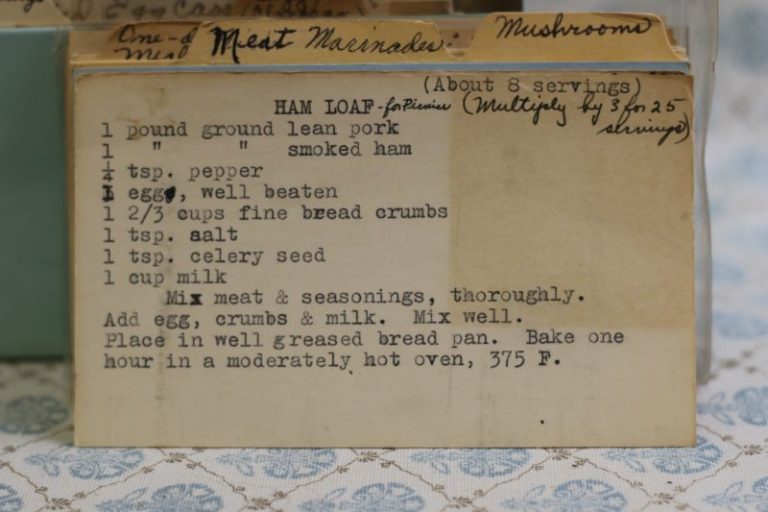


Do you know this handwriting?
If this recipe looks like one from your family’s kitchen, or you grew up eating this, tell us below.
Leave a memory