
Meatloaf: Recipes, Baking Tips, and History
Meatloaf is a quintessential American comfort food, known for its hearty, satisfying flavor and its ability to bring families together around the dinner table. This dish, typically made from ground beef mixed with various ingredients, is both simple to prepare and endlessly customizable. Whether you’re a fan of the traditional recipe or enjoy experimenting with different flavors and textures, meatloaf remains a beloved staple in many households. Below, we’ll address common questions about cooking meatloaf, explore tips for making the perfect loaf, and even touch on the correct spelling of this iconic dish.
Join our Vintage Recipe Facebook Group to discuss and find “new” old recipes to enjoy.
Links to find other recipes:

Meatloaf
Meatloaf FAQ
Is it better to cook meatloaf at 350 or 375?
The ideal temperature for cooking meatloaf can vary depending on the recipe and your preferences. Cooking meatloaf at 350°F is generally recommended for a slower, more even cook, which helps ensure the meatloaf is tender and moist throughout. At this temperature, the meatloaf will take about 60 to 75 minutes to cook, depending on its size. Cooking at 375°F will cook the meatloaf faster, usually within 50 to 60 minutes, but it can result in a drier texture if not carefully monitored. If you’re looking for a slight crust on the outside while keeping the inside juicy, you might prefer 375°F. However, for a consistently tender meatloaf, 350°F is often the better choice.
What ingredient keeps meatloaf from falling apart?
One of the key ingredients that helps keep meatloaf from falling apart is a binder. Common binders include breadcrumbs, oats, crushed crackers, or even cooked rice. These ingredients absorb moisture and help to hold the meat together as it cooks. Eggs are another crucial component, as they work to bind the meat, fat, and other ingredients together, giving the meatloaf its firm structure. For a gluten-free option, you can use ground flaxseed mixed with water, which acts similarly to eggs in binding the ingredients. The right balance of these binders is essential for ensuring that your meatloaf slices neatly without crumbling apart.
Do you cook meatloaf covered or uncovered?
Whether to cook meatloaf covered or uncovered depends on the texture and moisture level you’re aiming for. Cooking meatloaf uncovered allows the top to brown and develop a crust, which many people enjoy for its added texture and flavor. However, if you find that your meatloaf is drying out too quickly, you can cover it with aluminum foil for the first part of the cooking process, then remove the foil for the last 15 to 20 minutes to allow the top to brown. This method helps to retain moisture while still achieving a nicely browned exterior. For those who prefer a very moist meatloaf without a crust, cooking it covered the entire time is an option, but it may result in a softer texture overall.
Why do you put milk in meatloaf?
Milk is added to meatloaf primarily to soak the breadcrumbs or other binders, which then helps to keep the meatloaf moist as it cooks. The milk adds moisture, ensuring that the breadcrumbs don’t dry out the meat mixture. This step is crucial for achieving a tender, juicy meatloaf rather than a dry, crumbly one. While milk is the traditional choice, you can substitute it with other liquids such as broth, water, or even a dairy-free alternative like almond milk if you’re looking to adjust the flavor or accommodate dietary preferences.
Meat Loaf vs. Meatloaf: Understanding the Spelling
The spelling of “meatloaf” can sometimes cause confusion, as it is often seen written as both “meatloaf” and “meat loaf.” While both spellings are technically correct, “meatloaf” as a single word is the more common usage when referring to the dish. It emphasizes the idea of a singular, cohesive dish made from ground meat formed into a loaf shape.
“Meat Loaf,” on the other hand, is more commonly recognized as the stage name of the famous rock musician known for his powerful voice and theatrical performances. To avoid confusion, especially in written recipes or discussions about food, “meatloaf” as one word is preferred when talking about the dish itself.
However, in older cookbooks or regional variations, you might still encounter the two-word version, “meat loaf.” This is simply a matter of stylistic choice, with no difference in meaning between the two. Whether you spell it “meatloaf” or “meat loaf,” it remains the same beloved dish that has been a comforting staple in kitchens across the country for generations.
Explore more of our Meatloaf Recipes and Dinner Recipes to bring a taste of tradition to your table!
The History of Meatloaf: A Classic Dish with Deep Roots
Meatloaf is a dish with a rich history, dating back to ancient times. The concept of mixing ground meat with other ingredients to stretch its value and flavor can be traced back to the Roman Empire. The Romans would combine minced meat with bread, wine, and various seasonings to create a dish that bears a resemblance to modern meatloaf. However, the meatloaf we know today has its roots in more recent history.
In the United States, meatloaf became particularly popular during the Great Depression. It was an economical way to stretch ground meat, which was often expensive, by mixing it with inexpensive fillers like breadcrumbs, oatmeal, and vegetables. This allowed families to create a hearty meal that could feed many people while using less meat. Meatloaf was also easy to prepare and versatile, making it a staple in American households.
Over the years, meatloaf recipes have evolved, with variations that include different types of meat, seasonings, and toppings. Some regions favor a tomato-based glaze, while others might use a combination of ketchup, brown sugar, and mustard. Despite these variations, the core concept of meatloaf remains the same—a comforting, easy-to-make dish that brings warmth to the dinner table.
Timeline of Meatloaf
- Ancient Rome: The earliest versions of meatloaf appear in Roman cookbooks, where minced meat is mixed with bread and spices to create a dish similar to modern meatloaf.
- 19th Century: Meatloaf begins to appear in American cookbooks, often as a way to use up leftover meat or stretch ground meat with fillers like breadcrumbs and vegetables.
- Great Depression (1930s): Meatloaf becomes a popular dish in the United States due to its affordability and versatility. Families rely on meatloaf to stretch their food budgets, and recipes begin to include more fillers and fewer expensive ingredients.
- Mid-20th Century: Meatloaf solidifies its place as a staple of American comfort food, with countless variations and recipes published in cookbooks and shared among families.
- 21st Century: Meatloaf continues to be a beloved dish, with modern twists and healthier versions emerging, such as turkey meatloaf, vegetarian meatloaf, and gluten-free options.

Tips for Making the Perfect Meatloaf
Creating the perfect meatloaf requires attention to a few key details. Here are some tips to help you make a delicious, tender meatloaf that holds together well and satisfies your family:
- Choose the Right Meat: Ground beef is the traditional choice for meatloaf, but you can also use a combination of meats like pork, veal, or turkey. A mix of meats can add depth of flavor and improve the texture. Aim for a fat content of around 15-20% to keep the meatloaf moist without making it greasy.
- Don’t Overmix: When combining the meat with the other ingredients, be careful not to overmix. Overmixing can lead to a dense, tough meatloaf. Mix just until the ingredients are combined, and then shape the loaf gently.
- Use a Panade: A panade is a mixture of breadcrumbs or other starches soaked in milk or broth. This step is crucial for a moist meatloaf, as it helps to retain moisture and prevent the meat from drying out during cooking.
- Add Flavorful Ingredients: Don’t be afraid to experiment with different seasonings and ingredients. Onions, garlic, herbs, and Worcestershire sauce can all add depth of flavor to your meatloaf. Some people also like to add grated cheese or vegetables like carrots and celery for added texture and taste.
- Glaze It: A glaze made from ketchup, brown sugar, and mustard is a classic topping for meatloaf. Apply the glaze during the last 15-20 minutes of baking to allow it to caramelize and create a delicious, sticky coating.
Serving Suggestions for Meatloaf
Meatloaf is a versatile dish that pairs well with a variety of sides. Here are some serving suggestions to complete your meal:
- Mashed Potatoes: Creamy mashed potatoes are the perfect accompaniment to meatloaf. Their smooth texture and rich flavor beautifully complement the savory meatloaf.
- Green Beans: Serve your meatloaf with a side of sautéed or steamed green beans for a fresh, crunchy contrast to the rich meatloaf.
- Roasted Vegetables: Roasted carrots, potatoes, and Brussels sprouts are excellent side dishes that bring out the meatloaf’s savory flavors.
- Gravy: For added moisture and flavor, a rich, brown gravy can be served alongside or over the meatloaf.
- Sandwiches: Leftover meatloaf makes fantastic sandwiches. Slice it thick, and serve it on toasted bread with a bit of mustard, mayo, and lettuce for a hearty, satisfying lunch.
October 18th is National Meatloaf Day—time to celebrate the ultimate comfort food! Whether you like it classic or with a twist, it’s the perfect day to serve a slice of nostalgia.
View all Food Holidays.
Recommended Products for Making Meatloaf
The links below lead to top-rated products—we can save more recipes if you use our links.
- Loaf Pan: A good quality loaf pan is essential for shaping and cooking meatloaf evenly. Look for one with a non-stick surface for easy removal and cleanup.
- Meat Thermometer: Ensure your meatloaf is cooked to the perfect temperature (160°F for beef) with a reliable meat thermometer.
- Mixing Bowls: Sturdy mixing bowls make it easy to combine all your ingredients evenly.
A Slice of Comfort: Enjoying Meatloaf at Home
Meatloaf is more than just a meal; it’s a comforting dish that brings back memories of family dinners and cozy evenings at home. Whether you stick to a traditional recipe or try a new twist, meatloaf is a versatile and satisfying option for any occasion. With the right ingredients and a few helpful tips, you can create a tender, flavorful meatloaf that’s sure to become a family favorite.
Meatloaf Recipes
Meatloaf Recipes


More dinner recipes
See them all
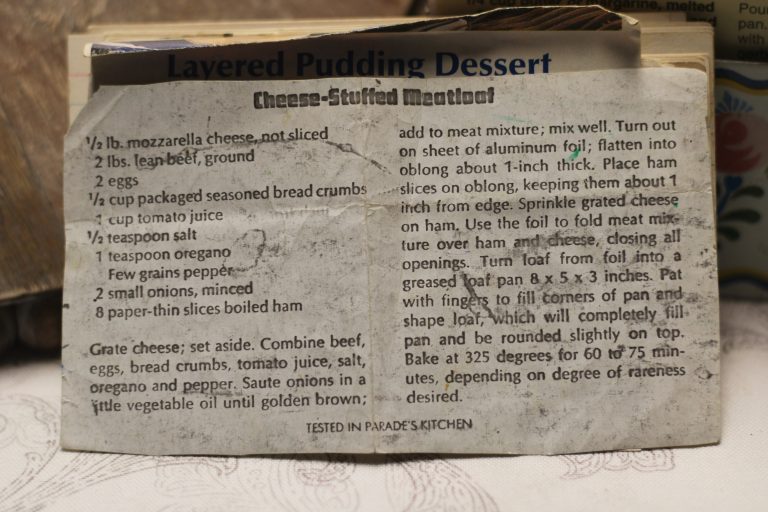
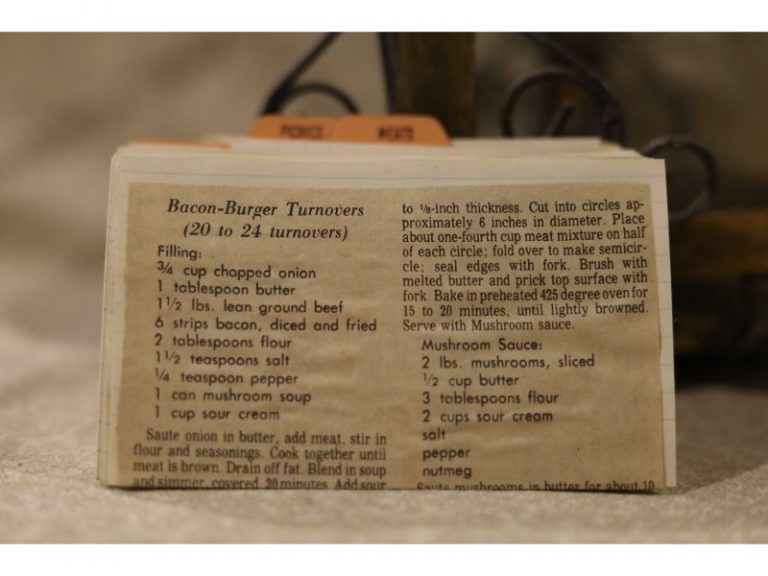
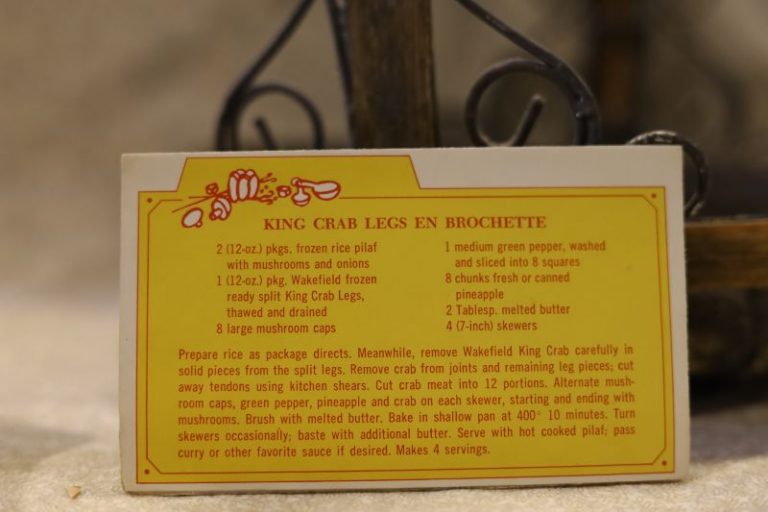
Do you know this handwriting?
If this recipe looks like one from your family’s kitchen, or you grew up eating this, tell us below.
Leave a memory