
Grunts and Slumps: Exploring Two Classic, Rustic Desserts
Grunts and slumps are two old-fashioned, fruit-based desserts that trace their roots back to early American settlers. While both are similar in their preparation and ingredients, they each have distinct characteristics that set them apart. These comforting, warm desserts feature sweetened fruit, often cooked with a soft biscuit or dumpling-like topping, and are perfect for showcasing the flavors of seasonal fruits like berries, apples, and peaches. In this guide, we’ll explore the differences between grunts and slumps, their history, and share tips and recipes to help you enjoy these delightful desserts.
Join our Vintage Recipe Facebook Group to discuss and find “new” old recipes to enjoy.
Links to find other recipes:
Grunts and Slumps
Grunts and Slumps FAQ
What is a grunt?
A grunt is a traditional New England dessert made by simmering fruit on the stovetop and topping it with dollops of biscuit dough. The dessert is then covered and cooked, allowing the steam from the fruit to cook the dough, resulting in soft, dumpling-like biscuits. The name “grunt” is said to come from the sound the fruit makes as it bubbles and stews beneath the topping. Grunts are often made with berries, such as blueberries or blackberries, but can also include other fruits like peaches or apples.
What is a slump?
A slump is very similar to a grunt, with both desserts consisting of stewed fruit and a biscuit-like topping. However, the key difference lies in the cooking method. While grunts are cooked entirely on the stovetop, slumps are typically finished in the oven. The fruit is first simmered on the stovetop, then the biscuit dough is placed on top and the dish is baked, resulting in a topping that is crisp and golden on the outside while still soft on the inside. The name “slump” likely refers to the way the dessert “slumps” into the dish as it bakes.
What is the difference between a grunt and a slump?
The main difference between a grunt and a slump is the cooking method. Grunts are cooked entirely on the stovetop, steaming the biscuit topping over the simmering fruit. This results in a soft, dumpling-like texture. Slumps, however, are partially cooked on the stovetop before being transferred to the oven, where the topping bakes to a golden-brown finish. While both desserts share a similar fruit and dough combination, the stovetop-cooked grunt has a more tender topping, while the oven-finished slump has a crispier exterior.
Can you use any fruit for grunts and slumps?
Yes, grunts and slumps can be made with a variety of fruits, depending on the season and your personal preference. Berries, such as blueberries, blackberries, and raspberries, are popular choices due to their sweetness and ability to break down easily during cooking. Apples, peaches, plums, and cherries also work well, creating a heartier version of these rustic desserts. The fruit should have enough natural sweetness and juice to create a syrupy sauce as it cooks, which helps to soften the biscuit topping.
The History of Grunts and Slumps: Early American Comfort Desserts
Grunts and slumps have their origins in early American kitchens, particularly in New England, where settlers relied on simple, locally available ingredients to create comforting desserts. These dishes are closely related to other fruit-based desserts like cobblers, pandowdies, and crisps, all of which combine sweetened fruit with some form of dough or topping. The names “grunt” and “slump” may sound whimsical, but they reflect the casual, rustic nature of these dishes.
Grunts were originally cooked on open fires or wood-burning stoves, where the fruit could be simmered in a pot and the biscuit topping steamed by covering the pot tightly with a lid. This cooking method was practical for the time, as it required minimal equipment and could be prepared with whatever fruit was in season. The name “grunt” is believed to come from the sound of the fruit as it bubbled beneath the biscuit topping, a charmingly descriptive term that adds to the dish’s rustic appeal.
Slumps share much of the same history, but the shift to finishing the dessert in the oven likely came as baking equipment became more accessible. This allowed the biscuit topping to develop a golden, crisp crust, giving the dessert a slightly more refined texture. Despite these differences, both grunts and slumps are known for their simple, homestyle preparation and ability to showcase the natural flavors of fresh fruit.
Timeline of Grunts and Slumps
- 17th-18th Century: Grunts and slumps emerge as early American desserts, particularly in New England, where they are made with locally grown fruits and cooked over open fires.
- 19th Century: As ovens become more common in households, slumps begin to be baked, creating a crisp, golden topping, while grunts remain a stovetop dessert with a softer, steamed biscuit topping.
- 20th Century: Grunts and slumps remain popular in rural and homestyle kitchens, appreciated for their simplicity and use of seasonal fruit. They become nostalgic desserts, associated with the comfort and tradition of early American cooking.
- Present Day: Grunts and slumps continue to be beloved by those who enjoy rustic, fruit-based desserts. With their straightforward preparation and reliance on fresh fruit, they remain popular options for home cooks seeking a comforting, old-fashioned treat.
Popular Grunt and Slump Recipes
Grunts and slumps can be made with a wide range of fruits, offering endless possibilities for customization. Here are some classic and creative recipes to try at home:
- Blueberry Grunt: This traditional New England recipe combines fresh blueberries with sugar and lemon, topped with biscuit dough and cooked on the stovetop. The blueberries break down into a sweet, syrupy filling, while the biscuit topping becomes soft and dumpling-like.
- Peach Slump: Ripe, juicy peaches are stewed with cinnamon and nutmeg before being topped with dollops of biscuit dough and baked in the oven. The result is a golden, crisp topping that contrasts beautifully with the soft, warm peaches underneath.
- Apple Grunt: Sliced apples, sweetened with brown sugar and spiced with cinnamon, form the base of this comforting dessert. The stovetop method creates a soft, cake-like biscuit topping that absorbs the sweet apple juices.
- Blackberry Slump: This summery dessert features blackberries cooked with sugar and lemon, topped with a biscuit crust and baked until golden. The tartness of the blackberries pairs perfectly with the sweet, buttery topping.
- Mixed Berry Grunt: This stovetop grunt’s vibrant, juicy filling combines strawberries, raspberries, and blueberries. The tender biscuit topping absorbs the berry juices, giving each bite a burst of summer flavor.
Tips for Making the Perfect Grunts and Slumps
While both grunts and slumps are simple to make, a few key techniques can help you perfect these rustic desserts:
- Choose Juicy Fruits: The key to a successful grunt or slump is juicy fruit that breaks down during cooking and creates a sweet, syrupy filling. Berries, peaches, and plums work best, while apples or pears may require a bit more sugar to create the right consistency.
- Don’t Overmix the Dough: Whether you’re making biscuit dough for a grunt or a slump, avoid overmixing the dough, as it can become tough. Mix just until the ingredients are combined to ensure a tender, fluffy topping.
- Steaming for Grunts: For grunts, be sure to keep the lid on the pot while the dessert cooks on the stovetop. This allows the steam to cook the biscuit dough thoroughly, resulting in a soft, dumpling-like texture.
- Crisp the Topping for Slumps: If you’re making a slump, transfer the dish to the oven after simmering the fruit on the stovetop. Baking the biscuit topping creates a golden, crisp exterior that contrasts nicely with the tender fruit.
Recommended Products for Making Grunts and Slumps
Having the right kitchen tools can make a big difference in making perfect grunts and slumps. The links below lead to top-rated products—if you use our links, we can save more recipes.
- Cast Iron Skillet: A cast iron skillet is ideal for making both grunts and slumps. It distributes heat evenly and can be used both on the stovetop and in the oven.
- Heavy-Duty Lid: For grunts, having a heavy-duty lid that seals tightly is essential to keep the steam trapped and cook the biscuit topping thoroughly.
- Baking Dish: A good-quality ceramic or glass baking dish is perfect for making slumps, ensuring even baking and a golden topping.
- Pastry Cutter: A pastry cutter is useful for making the biscuit dough, helping you cut in the butter to create a flaky, tender topping.
- Cooling Rack: After baking, allow your slump to cool slightly on a cooling rack before serving, preventing the bottom from becoming too soggy.
A Comforting Tradition: Enjoying Grunts and Slumps Year-Round
Grunts and slumps are more than just desserts—they are a comforting reminder of simpler times, when desserts were made with whatever fruits were in season and cooking was done over an open flame. Whether you’re enjoying a warm apple grunt in the fall or a berry-filled slump in the summer, these rustic desserts bring the natural sweetness of fruit together with a comforting, doughy topping. Perfect for family gatherings, weekend treats, or any time you crave a taste of tradition, grunts and slumps offer a delightful way to enjoy seasonal fruits year-round.
Grunts and Slumps Recipes
More dessert recipes
See them all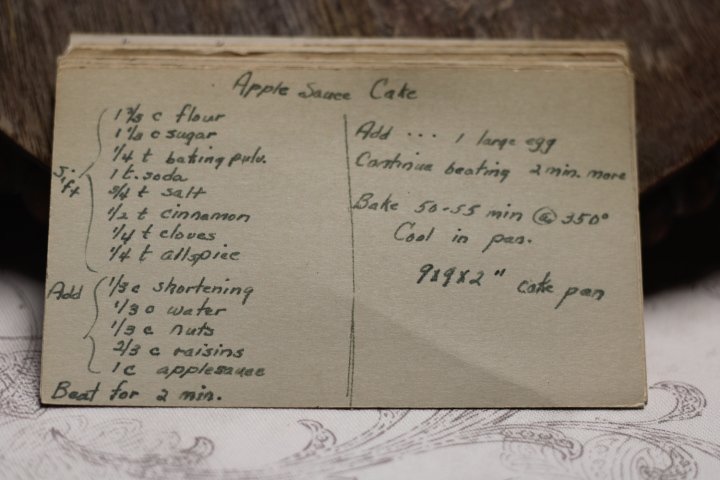


Do you know this handwriting?
If this recipe looks like one from your family’s kitchen, or you grew up eating this, tell us below.
Leave a memory