
From Recipe Box 400
Galacian Scallops
About this recipe
- Recipe box
- Box 400
If you’re a fan of seafood, you’ll love this Galician Scallops recipe. Hailing from the Galicia region of Spain, this dish embodies the region’s deep maritime tradition and the flavors that have made Galician cuisine famous. Galicia, located in the northwestern corner of Spain, is renowned for its fresh seafood, particularly shellfish. The use of local ingredients like olive oil, wine, and ham highlights the blend of land and sea that characterizes much of Spanish cuisine. This dish is a perfect example of how simple, fresh ingredients can create something truly special. The combination of sautéed scallops, a rich tomato and garlic sauce, and a crunchy breadcrumb topping makes this a standout dish that’s both easy to prepare and impressive to serve.
Join our Vintage Recipe Facebook Group to discuss and find “new” old recipes to enjoy.
Links to find other recipes:

Galacian Scallops
Scallops Food History
Scallops have been a part of Spanish cuisine for centuries, particularly in coastal regions like Galicia. The region’s proximity to the Atlantic Ocean provides an abundance of fresh seafood, making it a staple in local diets. The tradition of cooking scallops in Galicia dates back to ancient times, with many dishes still adhering to methods passed down through generations. In Galicia, scallops are often prepared in simple, yet flavorful ways that highlight the natural sweetness of the seafood. This recipe, combined with olive oil, tomatoes, garlic, and ham, reflects the rustic, hearty style of Galician cooking. Adding ham might seem unusual, but pairing seafood with cured meats in Spanish cuisine is common, creating a delightful contrast in flavors and textures. Using wine and breadcrumbs further enriches the dish, adding depth and a satisfying crunch.
Dive into flavor! From fried to fabulous, our scallop recipes are here to satisfy every seafood craving.
View all our vintage Scallop Recipes, history, and cooking tips.
Timeline
- Ancient Times: Scallops have been harvested and consumed by coastal communities in Spain since ancient times.
- Middle Ages: Scallops gain cultural significance in Galicia, becoming a symbol associated with the Camino de Santiago pilgrimage.
- 20th Century: The recipe for Galician Scallops becomes popularized, reflecting a blend of traditional Galician flavors with modern cooking techniques.
- Present Day: Galician Scallops remain a beloved dish, celebrated for its simple yet flavorful ingredients that showcase the best of Galician seafood cuisine.

Recipe Discussion
The Galician Scallops recipe is a wonderful blend of seafood, vegetables, and seasonings. The scallops are sautéed in olive oil, which not only cooks them to perfection but also infuses them with a rich, Mediterranean flavor. Olive oil is a staple in Spanish cooking, prized for its ability to enhance the natural flavors of the ingredients it accompanies. The onions, tomatoes, garlic, and parsley form the base of the sauce, providing a savory and slightly sweet backdrop for the scallops. The addition of ham introduces a salty, umami element that complements the sweetness of the scallops. The sauce is thickened with cornstarch, creating a luxurious texture that coats each scallop. Finally, the breadcrumb topping adds a delightful crunch, contrasting beautifully with the tender scallops and rich sauce. The breadcrumbs are mixed with melted butter, which helps them brown nicely under the broiler, adding both flavor and texture to the dish.
Preparation Tips
- Use Fresh Scallops: For the best flavor, use fresh scallops if possible. They should have a slightly sweet smell and be firm to the touch.
- Avoid Overcooking: Scallops cook quickly, so be careful not to overcook them. They should be golden on the outside and just opaque in the center.
- Even Browning: When broiling the scallops, watch them closely to ensure even browning of the breadcrumbs without burning them.
- Thickening the Sauce: Make sure to mix the cornstarch with a small amount of sauce to form a paste before adding it to the pan. This prevents lumps and ensures a smooth sauce.
October 2nd is National Fried Scallop Day—time to get crispy and delicious! Whether you love them golden and buttery or with a twist, it’s the perfect day to savor this seafood favorite!
View other Food Holidays – October Food Holidays
Recommended Kitchen Items
The links below lead to top-rated products—we can save more recipes if you use our links.
- Nonstick Skillet: A good nonstick skillet will help you sauté the scallops without them sticking, ensuring a perfect golden brown sear.
- Oven-Safe Skillet or Baking Dishes: Since this recipe requires moving the dish from the stovetop to the broiler, an oven-safe skillet or individual baking dishes are essential.
- Broiler Pan: A broiler pan will allow for even heat distribution when browning the breadcrumbs, giving your scallops that perfect golden crust.
- Food Processor: To easily chop your ingredients like tomatoes, onions, and parsley, a food processor can be a handy tool.
- Garlic Press: A garlic press will make mincing garlic quick and easy, ensuring an even distribution of flavor throughout the sauce.
Serving Suggestions
- Crusty Bread: Serve with slices of crusty bread to soak up the delicious sauce.
- Simple Salad: A light green salad with a lemon vinaigrette would complement the richness of the dish.
- White Wine: Pair with a crisp, chilled white wine such as Albariño, which originates from Galicia and pairs beautifully with seafood dishes.
- Roasted Vegetables: Roasted asparagus or green beans would add a nice texture and balance to the meal.
- Spanish Rice: Serve alongside Spanish-style rice for a more filling meal, perfect for soaking up the flavorful sauce.
Elevate Your Seafood Experience
This Galician Scallops recipe is more than just a dish; it’s a celebration of the rich culinary traditions of Galicia. With its simple, yet flavorful ingredients and easy preparation, it’s a recipe that brings a taste of Spain into your kitchen. Whether you’re looking to impress guests or simply treat yourself to a special meal, these scallops are sure to deliver. Enjoy them with your favorite sides and a glass of wine for a truly satisfying dining experience.
Start Your Recipe Box
- Start your recipe box or your family or friends. View New and Vintage Recipe Boxes
- View Recipe Cards and Templates
- View Recipe Card Protectors and Sleeves
Vintage Goodies
- Vintage Kitchenware on Etsy
- Vintage Recipes on Amazon
- Vintage Cookbooks on eBay
- Vintage Cookbooks on Etsy
Galician Scallops Recipe

Galician Scallops
Ingredients
- 1 pound scallops
- ½ cup olive oil, divided
- ½ cup chopped onion
- 2 tomatoes, chopped
- 1 garlic clove, minced
- A few sprigs of parsley, chopped
- ½ pound cooked ham, cubed
- 1 cup white wine
- 1 tablespoon beef broth
- 1 tablespoon cornstarch
- ½ cup bread crumbs
- ½ stick (¼ cup) melted butter
- Salt and pepper to taste
Instructions
- Sauté 1 pound scallops in ¼ cup olive oil until golden. Remove scallops and reserve the oil.
- In another skillet, heat ¼ cup olive oil. Sauté ½ cup chopped onion, 2 chopped tomatoes, 1 minced garlic clove, and chopped parsley until the onion is golden.
- Stir in ½ pound cubed cooked ham, 1 cup white wine, 1 tablespoon beef broth, and the reserved oil. Simmer the sauce for about 15 minutes.
- Mix 1 tablespoon cornstarch with a little of the sauce to make a smooth paste. Stir the paste into the skillet and cook, stirring constantly, until thickened.
- Add the scallops back to the skillet, season with salt and pepper, and cook for 3 to 5 minutes.
- Spoon the scallop mixture into 4 large scallop shells or individual baking dishes.
- Mix ½ cup bread crumbs with ½ stick (¼ cup) melted butter and sprinkle over the scallops.
- Broil the dishes until the crumbs are golden.
More recipes from Box 400
Flip through the whole box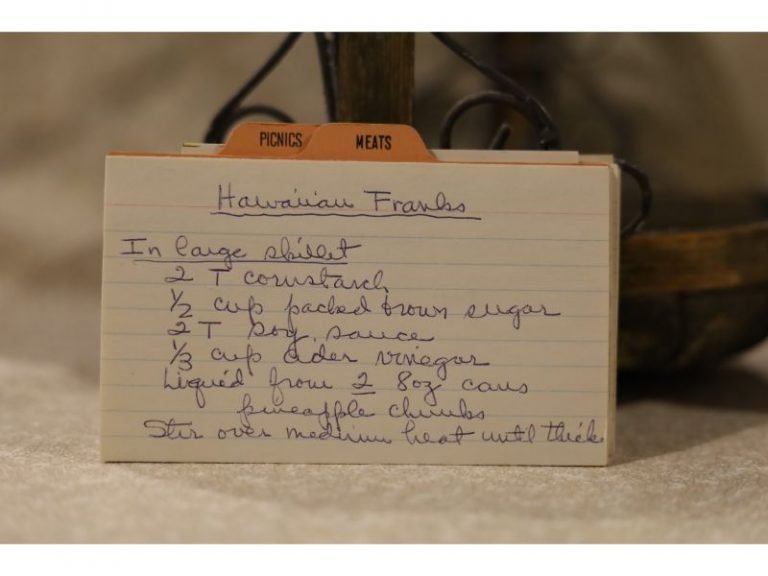


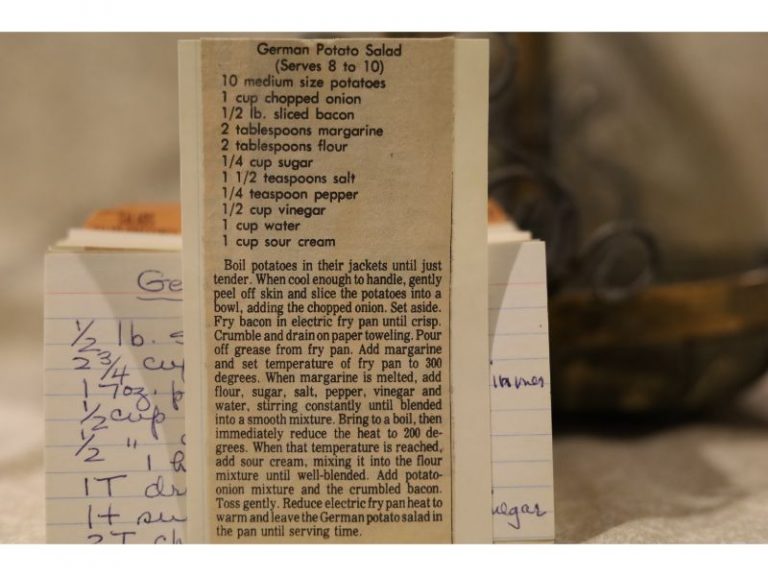
More dinner recipes
See them all


Do you know this handwriting?
If this recipe looks like one from your family’s kitchen, or you grew up eating this, tell us below.
Leave a memory