
Fruitcake: History, Recipes, and Tips for Making This Holiday Classic
Fruitcake is a traditional holiday dessert that has been enjoyed for centuries, known for its dense texture, rich flavors, and long shelf life. Packed with fruits, nuts, and sometimes soaked in alcohol, fruitcake has a unique place in culinary history. Despite its reputation as a polarizing dessert, it remains a beloved holiday tradition for many. In this guide, we’ll explore the history of fruitcake, share tips for making and storing it, and answer some common questions about this festive treat.
Join our Vintage Recipe Facebook Group to discuss and find “new” old recipes to enjoy.
Links to find other recipes:

Fruitcake
Fruitcake FAQ
What fruits are in fruitcake?
Fruitcake is typically made with a variety of dried and candied fruits that contribute to its rich, sweet flavor. Common fruits used in fruitcake include:
- Candied cherries: These brightly colored cherries are often a key ingredient, adding both sweetness and visual appeal.
- Raisins: A staple in many fruitcake recipes, raisins add a chewy texture and deep sweetness.
- Currants: Similar to raisins but smaller and tangier, currants are often included for their slightly tart flavor.
- Dried apricots: These add a subtle sweetness and a touch of acidity to balance the rich flavors.
- Candied citrus peel: This includes lemon, orange, and lime peels, which add a zesty, slightly bitter note to the cake.
- Dates and figs: These fruits contribute a natural sweetness and a dense, chewy texture.
- Pineapple: Candied or dried pineapple is often used for its tropical sweetness and vibrant color.
Some recipes also include nuts such as walnuts, pecans, or almonds for added texture and flavor. The specific combination of fruits can vary based on personal preference or regional traditions, but the goal is always to create a dense, flavorful cake with a balance of sweet and tart notes.
Can I freeze fruitcake?
Yes, fruitcake can be frozen, and doing so is a great way to extend its shelf life while preserving its flavor and texture. To freeze fruitcake, follow these steps:
- Wrap the fruitcake tightly: First, wrap the fruitcake in a layer of plastic wrap, ensuring it is completely covered. This prevents the cake from drying out in the freezer.
- Add an additional layer: Wrap the fruitcake again in aluminum foil or place it in a freezer-safe bag to protect it from freezer burn and absorb any odors from the freezer.
- Label and freeze: Label the fruitcake with the date and type of cake, then place it in the freezer. Fruitcake can be frozen for up to six months without significant loss of quality.
When you’re ready to enjoy the fruitcake, remove it from the freezer and allow it to thaw in the refrigerator for 24-48 hours. Once thawed, it can be served as is or warmed slightly in the oven.
How long can fruitcake last?
Fruitcake is known for its exceptional shelf life, which can be attributed to its high sugar content and the use of alcohol as a preservative in many recipes. When stored properly, fruitcake can last for several months to a year or even longer.
- Unwrapped and stored at room temperature: If kept in a cool, dry place and wrapped tightly in plastic wrap and aluminum foil, fruitcake can last for up to a month at room temperature.
- Stored in the refrigerator: If you prefer to refrigerate your fruitcake, it can last for up to six months, provided it’s wrapped tightly to prevent it from drying out.
- Aged fruitcake: Some fruitcakes, particularly those made with alcohol, are meant to be aged. These fruitcakes can last for a year or more if stored in a cool, dark place. Periodically brushing the cake with more alcohol helps to maintain its moisture and flavor over time.
Why was fruitcake outlawed?
The idea that fruitcake was “outlawed” is actually a myth and part of the humor surrounding the dessert’s often polarizing nature. While no laws have been against making or consuming fruitcake, it has been the subject of jokes and urban legends for decades. The dense, heavy nature of fruitcake, coupled with its long shelf life, has led to its reputation as a gift that is often re-gifted or stored away indefinitely. Despite the jokes, fruitcake remains a cherished holiday tradition for many families.
How alcoholic is fruitcake?
The alcohol content in fruitcake varies depending on the recipe and how much alcohol is used in its preparation and preservation. Traditional fruitcake recipes often call for soaking the dried and candied fruits in rum, brandy, or whiskey before baking. After the cake is baked, it is sometimes wrapped in a cloth soaked in alcohol or periodically brushed with more alcohol during storage.
The amount of alcohol in fruitcake can vary, but it typically contains a small to moderate amount. The alcohol acts as a preservative, helping the fruitcake last longer while also enhancing the flavors. However, much of the alcohol content diminishes during baking as it evaporates, leaving behind the rich flavors. For those concerned about alcohol content, non-alcoholic versions of fruitcake can be made by substituting fruit juice or tea for the alcohol.
The History of Fruitcake: From Ancient Rome to Holiday Tradition
Fruitcake has a long and storied history that dates back to ancient times. The earliest versions of fruitcake were made in ancient Rome, where a mixture of barley mash, honey, wine, and dried fruits was baked into a dense cake that could last for months. This early fruitcake was a practical food for Roman soldiers and travelers due to its long shelf life and high energy content.
As trade routes expanded during the Middle Ages, more exotic ingredients such as sugar, spices, and preserved fruits became available, leading to the evolution of fruitcake into a sweeter, more luxurious dessert. By the 16th century, fruitcake had become a popular treat across Europe, often enjoyed during festive occasions.
The British, in particular, embraced fruitcake, and it became a traditional dessert for weddings and holidays. In the 18th century, fruitcake was brought to America by European settlers, where it quickly became a favorite holiday treat, especially in the Southern United States. The practice of adding alcohol to fruitcake helped preserve it for long periods, making it a practical and festive gift.
Over time, fruitcake became synonymous with Christmas, and it remains a holiday staple in many cultures around the world. Despite its reputation as a divisive dessert, fruitcake continues to be enjoyed by those who appreciate its rich flavors and the nostalgia it brings.
Fruitcake Timeline: The Evolution of a Classic Holiday Dessert
- Ancient Rome: Early versions of fruitcake are made with barley, honey, wine, and dried fruits, serving as a durable food for soldiers and travelers.
- Middle Ages: As sugar and spices become more widely available, fruitcake evolves into a sweeter dessert, often associated with celebrations and holidays.
- 16th Century: Fruitcake gains popularity across Europe, especially in Britain, where it becomes a traditional wedding and holiday cake.
- 18th Century: European settlers bring fruitcake to America, where it becomes a beloved holiday treat, particularly in the South.
- 20th Century: Fruitcake becomes a common Christmas gift, leading to its reputation as both a cherished and often re-gifted dessert.
- 21st Century: Despite its divisive reputation, fruitcake continues to be a holiday staple, with many families passing down cherished recipes through generations.
How to Make Fruitcake: Tips for Success
Making a perfect fruitcake requires time, patience, and quality ingredients. Here are some tips to help you achieve a fruitcake that is moist, flavorful, and long-lasting:
- Use quality dried and candied fruits: The flavor of your fruitcake depends largely on the quality of the fruits you use. Opt for plump, fresh dried fruits and high-quality candied fruits for the best results.
- Soak the fruits in alcohol: For a traditional fruitcake, soak the dried and candied fruits in rum, brandy, or whiskey for at least 24 hours before baking. This step not only adds flavor but also helps preserve the cake.
- Use a combination of spices: Spices like cinnamon, nutmeg, cloves, and allspice are commonly used in fruitcake to enhance the flavors. Be sure to use fresh spices for the best aroma and taste.
- Bake at a low temperature: Fruitcake is best baked slowly at a low temperature (around 275°F to 300°F) to ensure even cooking without drying out the cake. Line the baking pan with parchment paper and wrap the outside of the pan with a double layer of brown paper or newspaper to protect the cake from over-browning.
- Allow the cake to age: After baking, fruitcake improves with age. Wrap the cooled cake in cheesecloth soaked in alcohol, then in plastic wrap and aluminum foil. Store the cake in a cool, dark place for at least several weeks, periodically brushing it with more alcohol to maintain its moisture.
- Non-alcoholic alternatives: If you prefer a non-alcoholic fruitcake, you can soak the fruits in fruit juice or tea instead of alcohol. Be aware that the cake may not last as long as its alcoholic counterpart, so consume it within a few weeks.
Serving Suggestions for Fruitcake
Fruitcake can be enjoyed in a variety of ways during the holiday season:
- As a Holiday Dessert: Serve fruitcake in thin slices alongside coffee, tea, or a glass of eggnog for a festive treat.
- Paired with Cheese: Fruitcake pairs surprisingly well with sharp cheeses like cheddar or blue cheese, creating a delightful contrast of flavors.
- As a Gift: Fruitcake makes a wonderful holiday gift, especially when wrapped in festive packaging. Share your homemade fruitcake with friends and family as a symbol of holiday cheer.
- Toasted: Lightly toast slices of fruitcake and spread with a bit of butter for a warm, comforting snack.
Recommended Products for Making Fruitcake
The links below lead to top-rated products—we can save more recipes if you use our links.
- Fruitcake Pan: A quality fruitcake pan ensures even baking and helps prevent over-browning.
- Candy Thermometer: A candy thermometer is essential for accuracy if your fruitcake recipe calls for cooking sugar or syrup.
- Parchment Paper: Line your baking pan with parchment paper to prevent sticking and ensure easy removal of the cake.
Fruitcake is a holiday tradition with a rich history and a wealth of flavors. Whether you’re a longtime fan or trying it for the first time, making fruitcake is a rewarding experience that brings together the best of the season’s flavors. With the right ingredients and techniques, you can create a fruitcake that will be cherished by friends and family for years to come.
Fruit Cake Recipes


More dessert recipes
See them all


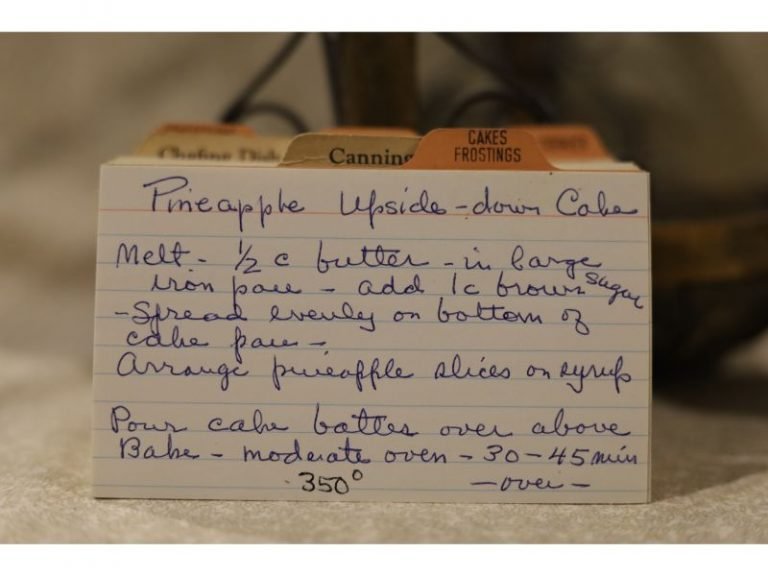
Do you know this handwriting?
If this recipe looks like one from your family’s kitchen, or you grew up eating this, tell us below.
Leave a memory