
Differences Between Piccalilli, Chow Chow, Relish, and Chutney
In the world of pickling and preserving, various condiments add a burst of flavor to your meals. Although terms like piccalilli, chow chow, and relish might seem interchangeable, each has its own unique preparation and history. Let’s explore what makes these condiments different and why they’ve been beloved for generations.
Join our Vintage Recipe Facebook Group to discuss and find “new” old recipes to enjoy.
Links to find other recipes:

Differences Between Piccalilli, Chow Chow, Relish
Piccalilli: The British Mustard Pickle
Piccalilli is a beloved British condiment with a rich history dating back to the 18th century. The term “piccalilli” is thought to be derived from “pickle” and possibly “lilly,” though its exact origins remain somewhat mysterious. What sets piccalilli apart is its bright yellow hue, which comes from turmeric, and its bold, tangy flavor profile dominated by mustard. Originally, piccalilli was inspired by Indian pickles and chutneys brought back to Britain by colonial traders. Over time, it evolved into a distinctly British preserve, made with locally available vegetables like cauliflower, green beans, and onions. The vegetables are first salted to draw out excess moisture, then cooked in a spiced vinegar-mustard mixture before being jarred.
Piccalilli was traditionally served with cold meats and cheeses, particularly during the winter months when fresh vegetables were scarce. It became a staple in British households, known for adding a zesty punch to otherwise simple meals. During the Victorian era, piccalilli was a popular accompaniment to the traditional ploughman’s lunch—a cold meal consisting of bread, cheese, and pickles, often enjoyed by farmworkers. This mustardy pickle was not just a way to preserve vegetables for the winter but also a means of adding variety to the diet during the colder months.
In addition to its place in British cuisine, piccalilli found its way to other parts of the world through British influence. Variations of piccalilli can be found in Dutch, Belgian, and American cuisines, though the British version remains the most well-known. Today, piccalilli is enjoyed by food enthusiasts who appreciate its sharp, tangy flavor, and it continues to be a favorite at holiday tables, particularly with cold cuts and charcuterie boards. Despite its humble origins, piccalilli has stood the test of time, proving that sometimes the simplest recipes are the most enduring.
Click here to view all of our Piccalilli Relish Recipes.
- What It Is: Piccalilli is a chunky, pickled relish made from a variety of vegetables like cauliflower, green beans, and onions, all preserved in a mustard and turmeric-based sauce.
- How It’s Made: Vegetables are first salted to remove excess moisture, then they’re combined with a spiced mustard and vinegar mixture. The piccalilli is jarred and allowed to mature, which deepens its flavor.
- Traditional Uses: It’s typically served with cold meats, plowman’s lunches, and cheeses. Its tangy and slightly spicy profile makes it a great contrast to richer dishes.
Chow Chow: A Southern Favorite
Chow chow is a uniquely American relish with roots in the Southern United States, though its origins are somewhat debated. Some food historians believe chow chow may have been brought to the American South by Acadian immigrants (Cajuns) from Canada, while others suggest it has roots in the pickling traditions of enslaved African Americans. What is certain is that chow chow has become a staple of Southern cuisine, valued for its ability to bring life to a wide range of dishes. Made from a variety of finely chopped vegetables, including green tomatoes, cabbage, onions, and peppers, chow chow is pickled in a tangy vinegar brine spiced with mustard seed, turmeric, and sometimes a touch of sugar.
Chow chow was traditionally made at the end of the growing season, using up any remaining vegetables that couldn’t be preserved by other means. This frugality is reflected in the diversity of chow chow recipes, which can vary greatly depending on the region and what vegetables were available. In the South, it is often served as a condiment with beans, hot dogs, burgers, and barbecue, where its tangy, slightly sweet flavor perfectly contrasts the rich, savory dishes. In Pennsylvania Dutch country, a similar relish is made, though it tends to be more vinegary and less sweet than its Southern counterpart.
Over the years, chow chow has become a symbol of Southern hospitality and resourcefulness. It was a common sight at Sunday dinners, family gatherings, and community potlucks, where it was shared alongside other homemade preserves. In the mid-20th century, chow chow became more widely available commercially, but many families still prefer to make it from scratch, often following recipes passed down through generations. Today, chow chow continues to be a cherished part of Southern food culture, loved for its versatility and vibrant flavor.
Click here to view all of our Chow Chow Recipes.
- What It Is: Chow chow is made from a mix of vegetables—commonly green tomatoes, cabbage, onions, and peppers—that are pickled in a vinegar-based brine with spices like mustard seed and turmeric.
- How It’s Made: The vegetables are chopped, combined with spices, and then pickled in a vinegar brine. After being jarred, it’s stored in a cool place to develop its flavors.
- Traditional Uses: Chow chow is often used as a topping for hot dogs, burgers, and barbecue. In the South, it’s also a common accompaniment to beans and greens.
Relish: A Versatile Pickle
Relish is a broad term that encompasses a wide variety of pickled vegetable condiments, each with its own unique flavor and purpose. The word “relish” itself comes from the Old French word “reles,” meaning something left behind, and originally referred to the act of savoring or enjoying a taste. Over time, relish came to describe condiments made from chopped vegetables that are preserved in vinegar and spices. The most common type of relish in the United States is sweet pickle relish, which is made from cucumbers, onions, and peppers, pickled in a sweetened vinegar brine. This version of relish became popular in the early 20th century, especially as a topping for hot dogs and hamburgers.
Relish, however, is not limited to sweet pickles. Across different cultures, relish can be tangy, spicy, or even savory, depending on the ingredients and preparation methods. In the United States, chow chow is considered a type of relish, as are various other regional specialties like corn relish, pepper relish, and tomato relish. In British cuisine, piccalilli and Branston pickle are also types of relish, though they have more complex spice profiles. The versatility of relish makes it a favorite in kitchens around the world, as it can be used to enhance the flavor of meats, sandwiches, salads, and even snacks.
The history of relish is closely tied to the history of pickling itself, which dates back thousands of years. Pickling was originally developed as a means of preserving vegetables for long periods, particularly through harsh winters. Relish, with its chopped consistency, allowed for a more versatile use of pickled vegetables, as it could easily be spread on bread or mixed into other dishes. Today, relish remains a popular condiment, often made at home using fresh produce from the garden or local farmers’ markets.
Click here to view all our Relish Recipes.
- What It Is: Relish generally refers to chopped cucumbers, peppers, and onions that are pickled in a sweet or tangy brine.
- How It’s Made: Vegetables are finely chopped and mixed with a vinegar and sugar brine, then cooked and packed into jars. The relish is then stored to allow the flavors to meld.
- Traditional Uses: Sweet pickle relish is a classic topping for hot dogs, hamburgers, and sandwiches. Relish can also be used in salads or as a condiment for other dishes.
Chutney: Sweet, Savory, and Spicy
Chutney has its origins in India, where it was traditionally made from a mixture of fruits, spices, and herbs, preserved through cooking and sometimes fermentation. The word “chutney” comes from the Hindi word “chatni,” which means to lick or to taste. In Indian cuisine, chutneys come in various flavors and consistencies—some are smooth and pureed, while others are chunky and thick. Depending on the ingredients used, they can be sweet, sour, spicy, or a combination of all three. The British first encountered chutney during the colonial period and quickly adopted it into their own cuisine, adapting the recipes to suit local tastes and ingredients.
When chutney was introduced to Britain, it was modified to fit the preservation methods available, often resulting in a thicker, more jam-like consistency than the fresh chutneys of India. British chutneys were typically made with fruits like apples, plums, or mangoes, combined with vinegar, sugar, and spices like ginger, cinnamon, and cloves. These chutneys became popular as accompaniments to cold meats and cheeses, particularly during the winter months. The rich, sweet, and spicy flavors of chutney made it an ideal complement to the more bland and fatty dishes that were common in British cuisine at the time.
In the 19th century, chutney became widely available commercially, and by the early 20th century, it was a standard item in British pantries. Chutney also found its way into American kitchens, where it was adapted further, often becoming sweeter and less spicy to suit American tastes. Today, chutney is enjoyed around the world in various forms, from the traditional fresh chutneys served in India to the more preserved versions found in British and American cuisine. Its ability to balance sweet, savory, and spicy flavors makes chutney a versatile condiment that can elevate a wide range of dishes.
Click here to view our Chutney Recipes.
- What It Is: Chutney is often made with a combination of fruits (like apples or mangoes) and vegetables, cooked down with vinegar, sugar, and spices.
- How It’s Made: Ingredients are simmered together until thickened, then the chutney is stored in jars to allow the flavors to develop.
- Traditional Uses: Chutney pairs well with curries, cheeses, and cold meats, offering a complex, flavorful complement to savory dishes.
A World of Flavor in Every Jar
Each pickled and preserved condiment has its unique preparation, flavor profile, and traditional uses. Whether you’re enjoying the mustardy bite of piccalilli, the tangy crunch of chow, or the sweet and savory balance of chutney, these vintage recipes are a testament to the art of preserving and enhancing the flavors of seasonal vegetables.
These condiments add depth and flavor to your meals and bring a piece of culinary history into your kitchen. Experiment with making your own at home, and discover why these preserves have remained beloved staples for generations.
More condiment recipes
See them all


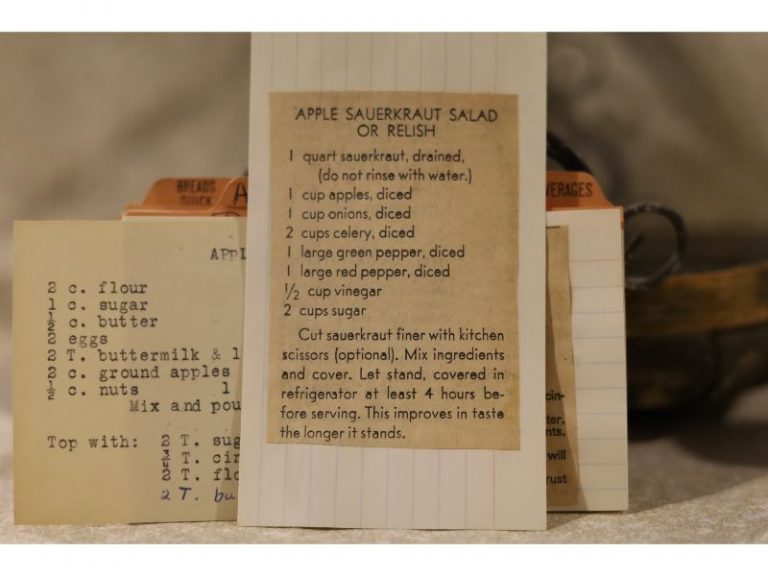
Do you know this handwriting?
If this recipe looks like one from your family’s kitchen, or you grew up eating this, tell us below.
Leave a memory