
Cornbread: History, Tips, and Irresistible Recipes
Cornbread is a classic comfort food with deep roots in American cuisine. Known for its golden color, crumbly texture, and slightly sweet flavor, cornbread is a versatile side dish that pairs well with a variety of meals. Whether served alongside chili, barbecue, or a bowl of hearty soup, cornbread is a staple that brings warmth and tradition to the table. Easy to make and endlessly customizable, this beloved dish is as much a part of history as it is a part of dinner.
Join our Vintage Recipe Facebook Group to discuss and find “new” old recipes to enjoy.
Links to find other recipes:
Cornbread
Cornbread FAQ
What is the difference between Northern and Southern cornbread?
Northern cornbread is sweeter and has a cake-like texture, while Southern cornbread is less sweet and often more crumbly.
Can I make cornbread without a cast-iron skillet?
Yes! You can bake cornbread in a regular baking dish, muffin tin, or even a pie pan.
How do I store leftover cornbread?
Wrap it tightly in plastic wrap or foil and store at room temperature for up to two days, or freeze for longer storage.
Food History
Cornbread has its origins in Native American cuisine, where corn was a staple crop. Indigenous peoples used ground corn (or maize) to create simple bread-like recipes. When European settlers arrived in the Americas, they adopted these corn-based dishes, combining them with their own ingredients and cooking techniques.
By the 19th century, cornbread had become a staple in Southern and frontier cooking, prized for its affordability and simplicity. Unlike wheat flour, which was often scarce and expensive, cornmeal was readily available. Southern cooks developed recipes that reflected regional preferences, creating variations like skillet cornbread, hoecakes, and hushpuppies.
Today, cornbread remains a beloved dish throughout the United States. It’s a key component of Southern cuisine but has also found its way into modern kitchens as a side dish for many meals. From sweet cornbread muffins to spicy jalapeño cornbread, the recipe continues to evolve while staying true to its roots.
Timeline
- Pre-Colonial Era: Native Americans create corn-based bread using maize.
- 1600s-1700s: European settlers adopt cornmeal recipes from Indigenous peoples.
- 1800s: Cornbread becomes a staple in Southern and frontier cooking.
- Present Day: Cornbread evolves into a versatile dish with countless regional and modern variations.
Recipe Discussion
Cornbread recipes typically start with a base of cornmeal, which gives it its signature texture and flavor. Many recipes also include flour for structure, sugar for sweetness, and baking powder or baking soda as leavening agents. Buttermilk and eggs are often used to add richness, while butter or oil keeps the bread moist.
Classic Southern cornbread leans on savory flavors, using little to no sugar and often being baked in a cast-iron skillet for a crispy crust. Northern cornbread tends to include more sugar and a softer, more cake-like crumb. Modern recipes may include add-ins like shredded cheese, chopped jalapeños, creamed corn, or even bacon to enhance the flavor.
Cornbread can be baked in various forms, including muffins, skillet rounds, or even sheet pans. It pairs well with hearty dishes like stews and barbecue but can also be enjoyed with a drizzle of honey or butter.
Preparation Tips
- Choose the Right Cornmeal: Use medium or fine-ground cornmeal for a smooth texture. Coarser cornmeal creates a grittier crumb.
- Preheat Your Skillet: Preheat a cast-iron skillet in the oven with butter or oil for a crispy, golden crust.
- Don’t Overmix: Mix the batter just until combined. Overmixing can result in dense, tough cornbread.
- Use Buttermilk: Buttermilk adds tangy flavor and helps tenderize the bread. If you don’t have buttermilk, mix regular milk with a tablespoon of vinegar or lemon juice as a substitute.
- Adjust Sweetness: Add more or less sugar depending on your preference for sweet or savory cornbread.
- Bake Evenly: Use a toothpick to check for doneness. It should come out clean or with a few moist crumbs when the cornbread is ready.
- Keep It Moist: For extra moisture, add creamed corn or a dollop of sour cream to the batter.
Recommended Kitchen Products
The links below lead to top-rated products on Amazon—if you use our links, we can save more recipes.
- Cast-Iron Skillet: Essential for baking cornbread with a crispy crust. Look for pre-seasoned options for convenience.
- Mixing Bowls: Perfect for combining dry and wet ingredients evenly. Choose a set with various sizes for versatility.
- Whisk: Great for mixing batter without overworking it. A silicone-coated whisk is ideal for nonstick surfaces.
- Cornbread Pan: A specialized pan with corncob-shaped molds adds a fun, rustic touch to your cornbread.
- Oven Thermometer: Ensures your oven is at the correct temperature for perfectly baked cornbread.
Serving Suggestions
- Serve warm cornbread with a pat of butter and a drizzle of honey for a simple, classic treat.
- Pair savory cornbread with chili, beef stew, or barbecue for a hearty meal.
- Use leftover cornbread to make cornbread stuffing or croutons for salads and soups.
- Top slices of cornbread with whipped cream and fresh berries for a unique dessert.
- Include jalapeño cornbread in a Tex-Mex meal alongside tacos or enchiladas.
- Serve cornbread muffins at breakfast with scrambled eggs and bacon.
Enjoy the Timeless Flavor of Cornbread
Cornbread is more than just a side dish—it’s a comforting staple that brings warmth and tradition to any meal. Whether you prefer it sweet, savory, or loaded with creative add-ins, cornbread is a versatile recipe that’s easy to make and always satisfying. Try baking a skillet of homemade cornbread today and enjoy a slice of history with every bite!
Start Your Recipe Box
- Start your recipe box or your family or friends. View New and Vintage Recipe Boxes
- View Recipe Cards and Templates
- View Recipe Card Protectors and Sleeves
Vintage Goodies
- Vintage Kitchenware on Etsy
- Vintage Recipes on Amazon
- Vintage Cookbooks on eBay
- Vintage Cookbooks on Etsy
Cornbread Recipes


More bread recipes
See them all

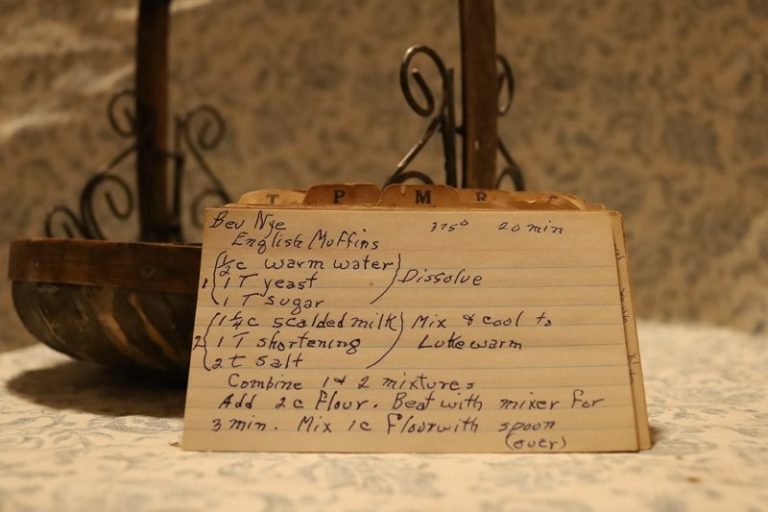
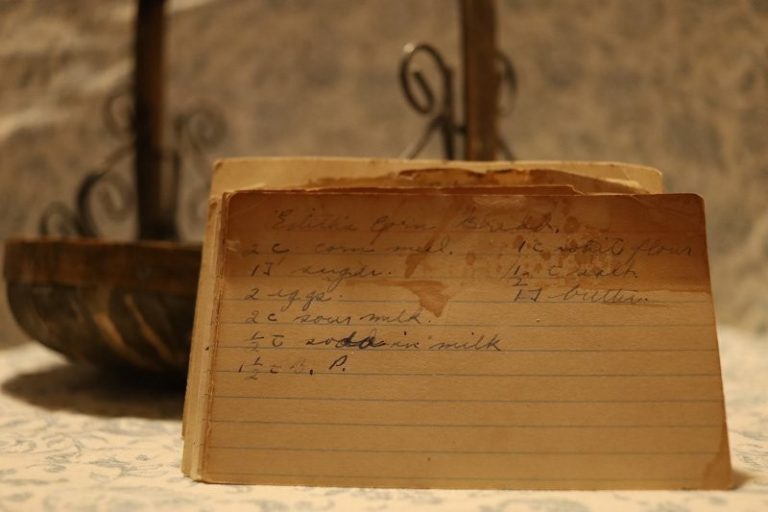
Do you know this handwriting?
If this recipe looks like one from your family’s kitchen, or you grew up eating this, tell us below.
Leave a memory