
Classic Biscotti con Anise
Biscotti con Anise is a classic Italian cookie known for its crunchy texture and aromatic anise flavor. These traditional cookies are perfect for dunking in coffee, tea, or even a dessert wine like Vin Santo. The combination of anise extract and anise oil gives the biscotti a distinctive licorice-like flavor, which is loved by many. This recipe makes a generous batch, so it’s ideal for sharing with family and friends or storing for future enjoyment.
The process of making biscotti involves baking the dough in logs, slicing them, and then baking the slices again to achieve their characteristic crispness. These biscotti can be enjoyed plain or dipped in chocolate for an extra touch of indulgence.
Join our Vintage Recipe Facebook Group to discuss and find “new” old recipes to enjoy.
Links to find other recipes:

Biscotti con Anise
Food History
Biscotti, meaning “twice-baked” in Italian, dates back to the Roman times when they were made for long journeys and soldiers, as the hard texture kept them preserved for extended periods. The modern version of biscotti, particularly the one flavored with anise, became popular in Tuscany, Italy. Anise, an herb known for its sweet licorice flavor, has been used in Italian baking for centuries. It adds a unique and aromatic flavor to many traditional Italian desserts and cookies.
Anise has a long history in Mediterranean cuisine and was prized for its medicinal properties in ancient times. It was used to flavor everything from bread to drinks. Biscotti with anise flavoring are especially common in Italian and Italian-American households, often served during holidays or special occasions.
Timeline
- Ancient Rome: Biscotti are first made, originally designed to last for long journeys.
- 16th century: Anise becomes popular in Italian desserts, especially biscotti.
- 19th century: Biscotti gain popularity in Italian bakeries, evolving into the twice-baked cookies we know today.
- 20th century: Biscotti con Anise becomes a staple in Italian-American households, enjoyed year-round and during holidays.

Recipe Discussion
This Biscotti con Anise recipe creates a flavorful, crisp cookie that highlights the distinctive taste of anise. The recipe calls for anise extract and oil, ensuring that the licorice-like flavor comes through strongly in each bite. If you’re not a fan of anise, you can reduce the amount or replace it with vanilla extract for a different flavor profile.
The dough is fairly straightforward to prepare. The dry ingredients—flour, sugar, and baking powder—are mixed together before cutting in margarine to create a crumbly texture. The eggs, milk, and anise extract are then added to form a soft dough. After rolling the dough into logs, the biscotti are baked for 30 minutes at 375°F.
Once they are removed from the oven, you can slice the logs into individual biscotti and, if desired, bake them again to make them extra crunchy. Traditionally, biscotti are baked twice to achieve their signature texture, which makes them perfect for dipping in coffee or tea.
Preparation Tips
- Anise flavor: If you prefer a milder anise flavor, you can reduce the amount of anise extract or omit the anise oil altogether. For a different flavor, vanilla or almond extract can be substituted.
- Dough consistency: The dough should be soft but workable. If it’s too sticky, add a little more flour (a teaspoon at a time) until it reaches the right consistency.
- Shaping the dough: When rolling the dough into logs, make sure they are of even thickness to ensure uniform baking. You can roll them into any length or width, depending on how large you want your biscotti.
- Double-baking: If you prefer extra-crispy biscotti, slice the baked logs after the first bake and place the slices back in the oven for an additional 10–15 minutes at 300°F.
Recommended Kitchen Products
The links below lead to top-rated products on Amazon—if you use our links, we can save more recipes.
- Baking Sheet: A high-quality baking sheet ensures even heat distribution, perfect for baking biscotti.
- Pastry Cutter: This tool helps cut margarine into the flour mixture evenly, which is key for achieving the perfect dough texture.
- Cooling Rack: A cooling rack is essential for allowing the biscotti to cool properly after baking, helping maintain their crisp texture.
Serving Suggestions
- With coffee: Biscotti con Anise is perfect for dunking in a hot cup of coffee or espresso, as the firm texture softens when dipped.
- With tea: Enjoy with herbal or black tea for a lighter pairing that complements the anise flavor.
- Chocolate-dipped: Dip one end of each biscotti in melted dark chocolate for a special treat and allow it to set before serving.
- With Vin Santo: A traditional Italian dessert wine, Vin Santo is often served with biscotti for dipping.
A Sweet Tradition
Biscotti con Anise is a delicious and nostalgic cookie that brings the traditional flavors of Italy into your home. Whether you enjoy these biscotti with a morning coffee or as a dessert after dinner, their crisp texture and aromatic anise flavor are sure to delight. With this simple recipe, you can recreate the beloved twice-baked cookie in your own kitchen and share it with family and friends.
Start Your Recipe Box
- Start your recipe box or your family or friends. View New and Vintage Recipe Boxes
- View Recipe Cards and Templates
- View Recipe Card Protectors and Sleeves
Vintage Goodies
- Vintage Kitchenware on Etsy
- Vintage Recipes on Amazon
- Vintage Cookbooks on eBay
- Vintage Cookbooks on Etsy
Biscotti con Anise Recipe

Biscotti con Anise
Ingredients
- 5 cups flour
- 2 cups sugar
- 3 1/2 tsp baking powder
- 2 1/2 sticks margarine
- 3 eggs
- 1/2 cup milk
- 1 tsp anise extract
- 1/2 tsp anise oil
Instructions
- Mix dry ingredients.
- Cut in margarine, add eggs, milk, and extract.
- Work to soft dough.
- Roll into logs, bake 30 minutes at 375°F.
References Used
- Wikipedia: Biscotti – en.wikipedia.org/wiki/Biscotti
- Wikipedia: Anise – en.wikipedia.org/wiki/Anise
- Food Timeline: Italian cookies – www.foodtimeline.org/foodcookies.html#biscotti
More dessert recipes
See them all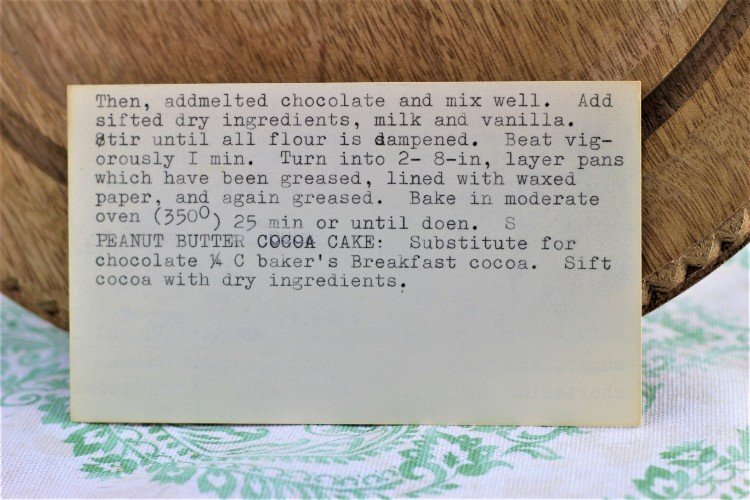


Do you know this handwriting?
If this recipe looks like one from your family’s kitchen, or you grew up eating this, tell us below.
Leave a memory