
From Recipe Box 90
Decadent Chocolate Sheet Cake
About this recipe
- Recipe box
- Box 90
This Chocolate Sheet Cake recipe from Vintage Recipe Box 090, clipped from the Fort Worth Star-Telegram on May 12, 1977, is a classic Southern treat that embodies comfort and indulgence. With its rich chocolate flavor and moist texture, this cake is perfect for gatherings or satisfying a sweet tooth. This recipe also showcases ingredients like oleo, cocoa, buttermilk, and sweet milk—staples in traditional baking that carry a rich history.
Join our Vintage Recipe Facebook Group to discuss and find “new” old recipes to enjoy.
Links to find other recipes:

Chocolate Sheet Cake
The History Behind the Ingredients
Oleo: The term “oleo” refers to margarine, which became popular in the early 20th century as a more affordable alternative to butter. Introduced in the 1870s, margarine was initially made from beef fat and later evolved to include vegetable oils. By the 1950s and 60s, margarine was a common household staple, especially in baking, where it was used for its ease of spreading and ability to create tender baked goods.
Types of Cocoa: Cocoa powder is a crucial ingredient in this recipe, giving the cake its deep chocolate flavor. Two main types of cocoa powder are used in baking: natural cocoa and Dutch-processed cocoa. Natural cocoa is acidic and has a strong, slightly bitter flavor. In contrast, Dutch-processed cocoa is treated with an alkali to neutralize its acidity, resulting in a milder taste and darker color. This recipe doesn’t specify the type, but natural cocoa would have been more commonly used in traditional Southern baking.
Buttermilk and Sweet Milk: Buttermilk’s tangy flavor and slightly thicker consistency is essential in many Southern baking recipes. It helps tenderize the gluten in the flour, resulting in a softer texture. Buttermilk also reacts with baking soda to help the cake rise. Sweet milk, on the other hand, refers to regular whole milk. The term “sweet” distinguishes it from buttermilk or other fermented dairy products. In this recipe, sweet milk is used in the icing to create a smooth, creamy texture that complements the rich chocolate flavor.
Powdered Sugar: Also known as confectioners’ sugar, powdered sugar is a finely ground sugar often used in icing and frosting due to its quick-dissolving properties. A “box” of powdered sugar typically refers to a 16-ounce (1-pound) package, which was a standard size.
Milk matters! Discover how the right type of milk can take your baking from good to glorious. Get the scoop on the essential role milk plays in your favorite treats!
Learn more about the different types of milk.
Timeline of Key Ingredients
- 1870s: Oleo (margarine) is invented and gradually becomes popular as an alternative to butter.
- 1900s: Cocoa powder becomes widely available for home baking, with natural cocoa being the standard.
- 1930s-1940s: Buttermilk is commonly used in Southern baking for its tangy flavor and tenderizing properties.
- 1950s-1960s: Oleo is a kitchen staple in American households, often used in baking.
- 1970s: Powdered sugar is commonly sold in 16-ounce boxes, a standard size for baking recipes.
Recipe Discussion
This Chocolate Sheet Cake recipe is a Southern classic, combining rich chocolate flavor with the subtle tang of buttermilk. The use of oleo (margarine) instead of butter gives the cake a slightly different texture—soft and tender, with a subtle richness. The cocoa adds depth to the cake’s flavor, while the buttermilk ensures it stays moist. The addition of cinnamon is a unique twist, offering a warm, spicy note that complements the chocolate.
The icing, made with powdered sugar, sweet milk, and cocoa, is smooth and creamy, adding an extra layer of indulgence to the cake. The use of a full box of powdered sugar ensures that the icing is sweet and thick enough to hold up on the cake, creating a perfect balance of flavors and textures.
Cocoa isn’t just for sipping—unlock its magic in baking and beyond! Dive into the sweet secrets that make cocoa an essential ingredient in your kitchen.
Read more about the history, tips, and more on with our article on Cocoa!
Preparation Tips
- Choosing Cocoa: While natural cocoa powder was likely used in the original recipe, you can experiment with Dutch-processed cocoa for a slightly milder flavor and richer color. Just remember that Dutch-processed cocoa is less acidic, so it won’t react with baking soda like natural cocoa.
- Buttermilk Substitute: If you don’t have buttermilk on hand, you can make a quick substitute by adding 1 tablespoon of vinegar or lemon juice to 1 cup of sweet milk (whole milk) and letting it sit for 5 minutes.
- Measuring Powdered Sugar: A standard “box” of powdered sugar is typically 16 ounces. If you’re using a larger package, measure out the correct amount for the icing.
Sugar, sugar! Learn how different types can transform your baking from simple to spectacular. Sweeten up your skills with the inside scoop on sugar’s many uses!
Learn more about the different types of Sugar and their uses in the kitchen.
Recommended Kitchen Items
The links below lead to top-rated products—we can save more recipes if you use our links:
- 8×12-Inch Sheet Pan: Perfect for baking sheet cakes evenly and ensuring the cake bakes up tender and moist.
- Double Boiler: Ideal for gently melting ingredients like cocoa and oleo, ensuring a smooth and even mixture without scorching.
- Silicone Spatula: This tool is great for folding ingredients together gently without deflating the batter, which is important for the cake’s texture.
Serving Suggestions
- Classic Pairing: For a classic dessert, serve a slice of this Chocolate Sheet Cake with a scoop of vanilla ice cream or a dollop of whipped cream.
- Coffee Break: Pair a piece with hot coffee or a latte. The richness of the cake beautifully complements the boldness of coffee.
- Holiday Treat: For a festive look during the holidays, decorate the cake with seasonal sprinkles or a dusting of powdered sugar.
More Vintage Recipes
We have many recipes on the site that may be of interest to you. Use the links below to view other recipes similar to this Chocolate Sheet Cake.
A Slice of Southern Nostalgia
This Chocolate Sheet Cake is more than just a dessert; it’s a nostalgic journey back to simpler times when rich, comforting flavors were the highlight of any gathering. Combining oleo, cocoa, buttermilk, and sweet milk creates a tender, flavorful, and irresistibly indulgent cake, whether you’re baking for a special occasion or just because. This cake will surely become a beloved favorite in your home.
Vintage Recipe Box 90
There are many fun recipes to read in the box, and this recipe for chocolate sheet cake was with them. Click here to view all of Vintage Recipe Box 90 recipes.
Chocolate Sheet Cake Recipe

Chocolate Sheet Cake
Ingredients
Mixture one
- 1 stick oleo
- 1 cup water
- 4 tablespoons cocoa
Mixture Two
- 2 cups sugar
- 2 cups flour
- 1 teaspoon soda
- 1 teaspoon cinnamon
- ½ cup buttermilk
- 2 eggs, beaten
- 1 teaspoon vanilla
Icing
- 1 box powdered sugar
- 1 stick melted oleo
- 6 tablespoons sweet milk
- 4 tablespoons cocoa
Instructions
Mixture One:
- Combine in a saucepan and bring to a rapid boil
Mixture Two:
- Combine all the above and pour the first mixture over them - mix well.
- Pour into a 16 x 13 inch slightly greased pan. Bake at 30 minutes at 400 degrees.
- Have the icing ready to pour over hot cake.
Icing:
- Heat this until it melts and is well mixed. Pour over hot cake.
- Slice in squares to serve.
More recipes from Box 90
Flip through the whole box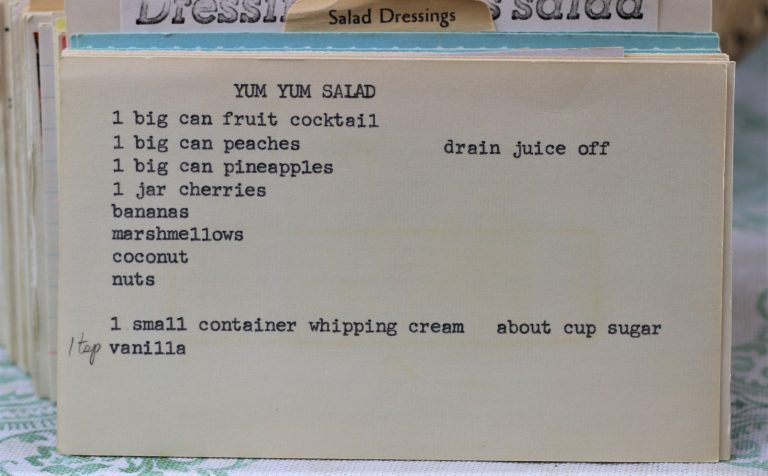


More dessert recipes
See them all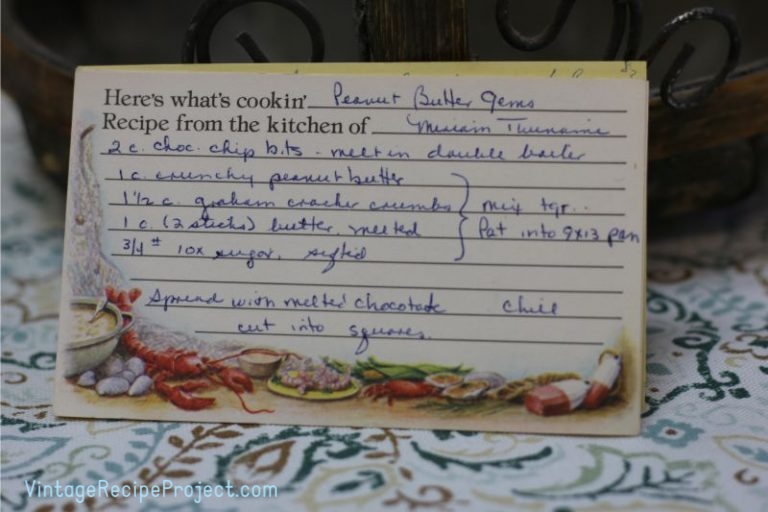


Do you know this handwriting?
If this recipe looks like one from your family’s kitchen, or you grew up eating this, tell us below.
Leave a memory