
Chili Sauce: Ingredients, History, Uses, and More!
Chili sauce is a versatile and flavorful condiment that adds a spicy kick to various dishes. Whether you want to enhance your burgers, mix into a marinade, or spice up your tacos, chili sauce offers a unique blend of flavors that can elevate your cooking. This guide will explore what makes chili sauce different from chili, its ingredients, and how to use it in your kitchen.
Join our Vintage Recipe Facebook Group to discuss and find “new” old recipes to enjoy.
Links to find other recipes:

Chili Sauce FAQ
How is chili sauce different than chili?
Chili sauce and chili are different, though they share some common ingredients. Chili sauce is a condiment made primarily from tomatoes, chili peppers, vinegar, sugar, and various spices. It is typically smooth in texture and used as a topping or ingredient in other recipes. On the other hand, chili refers to a hearty stew or soup made with ground meat, beans, tomatoes, and chili peppers, often served as a main dish. The key difference lies in their consistency, purpose, and the way they are used in cooking.
What is chili sauce made of?
Chili sauce is usually made from tomatoes, chili peppers, vinegar, sugar, salt, and spices. The type of chili pepper used can vary, affecting the sauce’s heat level. Some recipes may also include garlic, onions, or additional flavorings like mustard or allspice. The ingredients are cooked down to create a thick, smooth sauce that balances sweetness with spiciness.
What is a substitute for chili sauce?
If you don’t have chili sauce on hand, you can substitute it with ketchup and hot sauce or sriracha. This combination will give you a similar sweet and spicy flavor. Another option is to use tomato sauce or paste with added chili flakes or powder, adjusting the seasoning to achieve the desired heat level. In some recipes, barbecue sauce with added hot sauce can also substitute.
What to use chili sauce in?
Chili sauce is incredibly versatile and can be used in a variety of dishes. It’s a popular ingredient in meatloaf, adding flavor and moisture to the dish. It can also be used as a topping for burgers, hot dogs, or sandwiches, or mixed into dips and marinades. Chili sauce works well as a base for cocktail sauce, served with shrimp, or as an ingredient in sweet and sour sauces. It can even be drizzled over roasted vegetables or mixed into pasta sauces for a spicy kick.
Does chili sauce taste like ketchup?
While chili sauce and ketchup share some similarities, such as a tomato base and a sweet flavor, chili sauce is spicier and more complex in taste. Chili sauce typically includes chili peppers and additional spices, giving it a more robust flavor compared to the milder, sweeter taste of ketchup. The texture of chili sauce is also usually thicker and chunkier than ketchup.
Chili Sauce History: A Spicy Evolution
Chili sauce has roots in various culinary traditions, with its exact origins difficult to pinpoint due to the widespread use of chili peppers in global cuisines. However, the modern version of chili sauce as known in the United States began to gain popularity in the late 19th and early 20th centuries. Initially, it was used as a way to preserve summer vegetables and fruits, combining them with vinegar and spices to create a shelf-stable condiment. Over time, chili sauce became a staple in American kitchens, used in everything from meatloaf to shrimp cocktails.
Chili Sauce Timeline: From Early Days to Modern Kitchens
- 19th Century: Chili sauce begins to appear in American cookbooks as a way to preserve summer produce.
- Early 1900s: Commercial production of chili sauce increased, with brands like Heinz introducing bottled chili sauce to the market.
- Mid-20th Century: Chili sauce is popular in classic American recipes like meatloaf and cocktail sauce.
- Present Day: Chili sauce is a versatile condiment, with many regional and homemade variations available, ranging from mild to extremely hot.
Chili Sauce Preparation Tips: Creating the Perfect Balance
When making homemade chili sauce, start with ripe, juicy tomatoes for the best flavor. Balance the sweetness with the right amount of vinegar and sugar, and adjust the level of spiciness by choosing your preferred type of chili pepper. Simmer the sauce slowly to allow the flavors to meld together, and taste frequently to adjust seasoning as needed. If you prefer a smoother sauce, blend the mixture before cooking or strain it after cooking to remove any chunks.
Chili Sauce Storage Tips: Keeping It Fresh
Store homemade chili sauce in sterilized jars or airtight containers in the refrigerator. Properly sealed, it can last for several weeks. For longer storage, consider canning the chili sauce using a water bath canning method, extending its shelf life to several months. Always check for signs of spoilage, such as mold or off smells, before using stored chili sauce.
Serving Tips for Chili Sauce: Adding Flavor to Your Meals
Chili sauce can be used in countless ways to enhance your dishes. Spread it on burgers or sandwiches for a spicy twist, or mix it into ground meat for a flavorful meatloaf. Use chili sauce as a dip for fried foods, or stir it into pasta sauces for an extra kick. It also works well as a base for homemade barbecue sauce or as a glaze for roasted meats and vegetables.
Recommended Products to Make Chili Sauce
The links below lead to top-rated products—we can save more recipes if you use our links.
- Blender or Food Processor: A must-have for creating a smooth, consistent chili sauce.
- Saucepan: A heavy-bottomed saucepan is ideal for simmering your chili sauce to perfection.
- Canning Jars: Perfect for storing your homemade chili sauce and preserving it for later use.
Chili sauce is a dynamic condiment that brings heat, sweetness, and tang to a wide range of dishes. Whether you’re making it from scratch or picking up a bottle at the store, it’s a versatile addition to your pantry that can spice up your meals in many delicious ways.
Chili Sauce Recipes


More condiment recipes
See them all

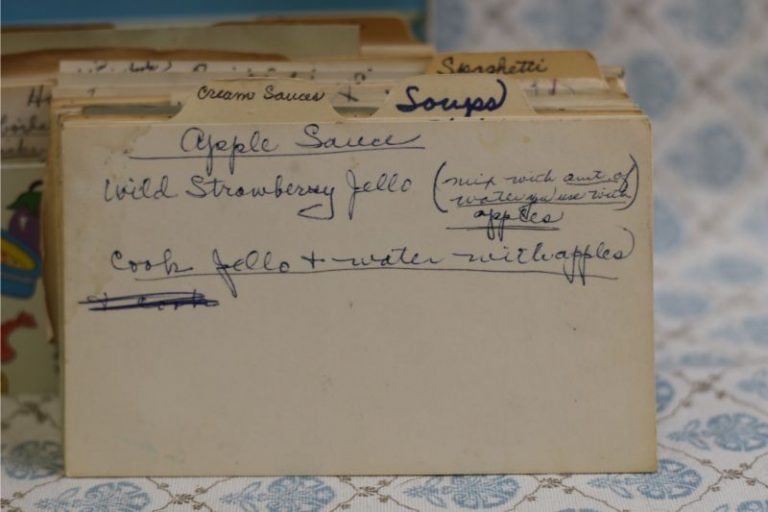

Do you know this handwriting?
If this recipe looks like one from your family’s kitchen, or you grew up eating this, tell us below.
Leave a memory