
Cherry Pudding
There’s something truly special about old-fashioned recipes, especially when they come from cherished family recipe boxes. This Cherry Pudding recipe is a treasure from the beloved Vintage Recipe Box 1. Handwritten on a simple index card, it carries the charm and simplicity of a bygone era. The recipe might look modest, but it’s packed with the comforting flavors that make it a classic dessert. Let’s look deeper at this vintage recipe, its history, and some helpful tips to make it perfect in your kitchen.

Cherry Pudding (VRP 001)
The Story Behind Cherry Pudding
Cherry Pudding is a dessert that has stood the test of time, delighting families for generations. This particular recipe comes from Vintage Recipe Box 1, a collection that’s become a favorite for many who love exploring the culinary past. The box itself is filled with a variety of recipes, each with its own unique story, and Cherry Pudding is no exception.
The recipe is handwritten on a standard-sized index card, a common way to preserve beloved recipes before the digital age. It’s unclear who originally penned the recipe, but the simplicity of the instructions suggests it was a familiar dish, made many times over without the need for detailed notes. The mystery surrounding the “1 pint of liquid” mentioned in the recipe has sparked much discussion among those who’ve tried to recreate this dish. Some believe it refers to the juice from canned cherries, while others suggest it could be boiling water or milk. This ambiguity is part of what makes working with vintage recipes so intriguing—there’s room for interpretation and adaptation.
Timeline of the Cherry Pudding Recipe
- Early 1900s: The recipe’s style suggests it could date back to the early 20th century when simple, hearty desserts were common.
- Handwritten Recipe: The Cherry Pudding recipe is preserved in handwritten form, reflecting a time when recipes were passed down through families on index cards or in notebooks.
- Vintage Recipe Box 1: The recipe is part of a larger collection in Vintage Recipe Box 1, a treasure trove of old recipes with rich histories.
Decoding the Cherry Pudding Recipe
While the original recipe card provides basic instructions, it leaves much to the imagination, particularly with the mysterious “1 pint of liquid.” Based on comments from others who have made similar recipes, it seems likely that the liquid could be the juice from canned cherries, combined with water if needed to make a full pint. Another popular method is to use boiling water, which would help create a moist, pudding-like consistency as it bakes.
This dessert is essentially a simple cherry cake. The cherries are spread across the bottom of the baking pan, and a batter made from flour, sugar, and milk is poured over the top. The sugar sprinkled on top caramelizes as it bakes, creating a delightful crust that contrasts with the soft cake beneath.
Did you know that June 26th is National Pudding Day? How about February is National Cherry Month, or February 1st is National Cherry Day? Click here to view all the Food Holidays.
Tips for Preparing the Best Cherry Pudding
To ensure your Cherry Pudding turns out just right, here are some helpful tips:
- Choose Your Liquid: If you’re using canned cherries, the juice is a great choice for the liquid. Alternatively, you can use boiling water or milk depending on the texture you prefer.
- Use Fresh or Canned Cherries: Both fresh and canned cherries work well in this recipe. If using fresh, consider adding a bit more sugar to balance their tartness.
- Bakeware: Although the original recipe doesn’t specify the size of the pan, an 8×8-inch baking dish is likely a good fit. This size will ensure the pudding bakes evenly.
- Baking Temperature: Set your oven to 350°F. This is a common temperature for baking puddings and cakes and should work well for this recipe.
- Don’t Skip the Sugar Topping: The sugar sprinkled on top before baking creates a lovely caramelized crust, adding both texture and flavor to the pudding.
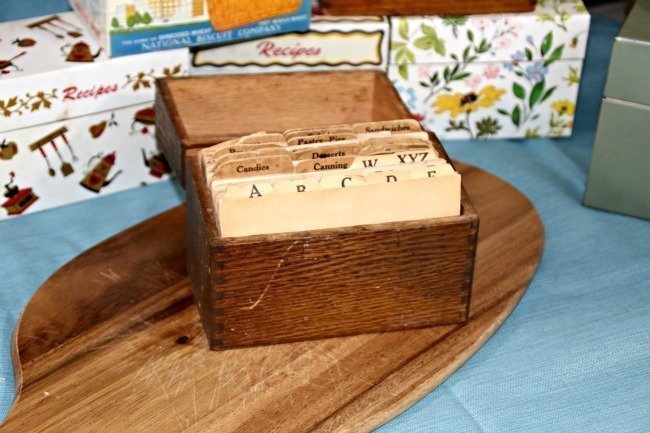
Vintage Recipe Box 1 Overview
There are lots of fun recipes to read in the box this recipe for Cherry Pudding was with.
This recipe box has an AMAZING back story and we share our story of how we came to own the box (and the sister boxes) and about the family who owned them. Click here to view all of Vintage Recipe Box 1 recipes and to learn more about the history of the recipes and the recipe box.
Conclusion: A Slice of History in Every Bite
Cherry Pudding is more than just a dessert; it’s a piece of culinary history that brings the flavors of the past into your kitchen. Whether you’re a fan of cherries or simply love trying vintage recipes, this pudding offers a delightful combination of sweetness and nostalgia. As you bake it, you’re not just following a recipe—you’re connecting with the home cooks who cherished this dish long before it became a part of your recipe collection.
This simple yet flavorful dessert is perfect for any occasion, from family gatherings to a special treat on National Pudding Day. So, gather your ingredients, choose your liquid, and enjoy a slice of this timeless Cherry Pudding.

Cherry Pudding (VRP 001)
Ingredients
- 2 cups flour
- 2 teaspoons baking powder
- 1/2 cup sugar
- 2 tablespoons shortening
- 2/3 cup milk
- 2 cups cherries
Topping
- 1 cup sugar
Instructions
- Sift flour and baking powder
- Cream sugar and shortening
- Mix two mixtures together
- Add milk and stir well
- Add cherries to baking pan and cover with mixture
- Sprinkle with 1 cup sugar
- Pour over 1 pint liquid
- Bake for 45 minutes
More dessert recipes
See them all
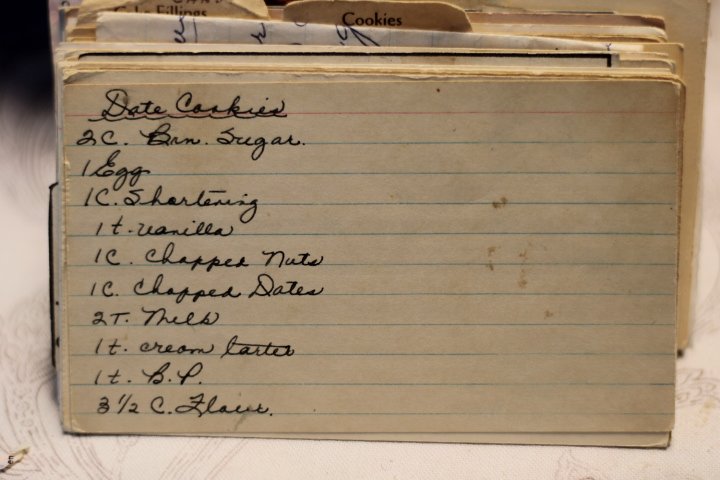

Do you know this handwriting?
If this recipe looks like one from your family’s kitchen, or you grew up eating this, tell us below.
Leave a memory
So I did a little research. Methods are different, but I found that the cake is essentially the same, only difference is the other recipe had an egg for the cake. Next they add the cherries and folded in the batter, but what is the difference really from pouring them on the top of the batter. Now I think what happens next makes sense about the 1 pt of fluid. You get about 1 cup of juice from 2 cups of cherries in the can. You take that liquid with 1 cup of sugar and boil it 8-10 min to thicken it. The other recipe I found said to add 1 tab flour as well. Turn off heat then add 1 tab butter and 1/2 tsp vanilla. When cake comes out of oven, spread 1/3 of the sauce on cake, wait 10 min and then pour the rest. Serve with whipped cream.
My mom made this cake. Sometimes she made a sauce from the liquid from canned cherries. She put the reserved cherry liquid in a saucepan and added cornstarch to thicken the liquid. Brought to a boil for a few minutes. Sorry about being vague, but it’s been 40 years.
Sometimes she served it with the sauce, sometimes just whipped cream. I always wanted this dessert for my birthday.
So the original recipe doesn’t say anything about combing the liquid with anything else. Being from a simpler, more frugal time in history(cooking-wise), I’m willing to bet the cook used whatever liquid she had….Juice from the cherries, with water added to make 1 pint (2 cups) would be my bet however, plain water or even milk will work.
My grandmother’s recipe called for pouring 1 cup of boiling water over all.
@Cynthia Walker,
Mine too. It is a very good recipe.
Lynn,
This was a regular dessert while I was growing up. My family froze fresh, tart cherries to use all winter. The liquid from the defrosted cherries was used in this.
The recipe that was given to me from 1902 was boiling water for the liquid that is poured over the top.
Heck I’m still looking for what size pan and what temperature.
Thanks
what temperature do you set your oven at to bake cherry pudding?
I have made this recipe many times. You would use canned sweet cherries and the liquid that is referenced is the juice off of the cherries. I had actually lost this recipe …… thank you for posting this.