
Old-Fashioned Bread Pudding Recipe
Bread pudding is a timeless dessert made by repurposing stale bread and adding a few simple ingredients to create a warm, comforting treat. This classic bread pudding recipe combines bread cubes, sugar, eggs, and milk for a creamy, custard-like texture with a light sweetness. It’s a versatile recipe that can be served plain or dressed up with sauces or spices. The included variations let you change up the flavors, making it easy to adapt this recipe to your taste or occasion.
Join our Vintage Recipe Facebook Group to discuss and find “new” old recipes to enjoy.
Links to find other recipes:

Food History
Bread pudding originated as a way to use up leftover bread, dating back centuries to various cultures across Europe and the Middle East. In medieval England, it was known as “poor man’s pudding” because it allowed families to avoid food waste by turning stale bread into a dessert. This practical dish soon became popular in many other countries, each adding its unique twist. In France, it’s known as “pain perdu,” or “lost bread,” while in the United States, it became especially popular in the South, where ingredients like bourbon sauce and cinnamon were added to create a unique flavor.
In its early days, bread pudding was often savory, incorporating meat or vegetables. However, over time it evolved into a dessert, with sugar, milk, eggs, and spices. Today, bread pudding is enjoyed worldwide, with variations ranging from chocolate and fruit-infused versions to rich caramel and butterscotch flavors. Its simplicity and adaptability have made it a cherished comfort food that brings warmth to any table.

Timeline
- Middle Ages: Bread pudding emerges in Europe as a frugal way to use up stale bread.
- 17th Century: Becomes popular in England, known as “poor man’s pudding.”
- 19th Century: Gains popularity in America, especially in Southern cuisine with the addition of sweet sauces.
- 20th Century: Sweet variations with spices, chocolate, and butterscotch become common.
- Present Day: Bread pudding remains popular worldwide, with both sweet and savory versions.
Recipe Discussion
This bread pudding recipe is straightforward, using only a few ingredients to create a rich dessert. The bread cubes, sugar, eggs, and milk are mixed together to form a custard-like base. Melted butter adds a touch of richness, helping the pudding become soft and moist. This version of bread pudding is basic, allowing the flavors of the bread and eggs to shine, while the sugar provides a light sweetness.
The recipe also includes two variations: butterscotch and chocolate pudding. The butterscotch variation substitutes brown sugar for white sugar and adds a bit of butter for a deeper caramel flavor. The chocolate variation incorporates cocoa powder, making it a richer, more decadent dessert. These variations show how adaptable bread pudding can be, allowing you to customize it based on what you have on hand or your flavor preferences.

Preparation Tips
- Use Stale Bread: Day-old or stale bread works best as it holds up better to the custard without becoming too soggy.
- Trim the Crusts: Removing the crusts can create a smoother texture, but it’s optional if you like a bit of chewiness in your pudding.
- Whisk Eggs Thoroughly: Beat the eggs well to ensure a smooth, creamy texture without eggy bits in the custard.
- Allow Bread to Soak: After combining all ingredients, let the bread soak for a few minutes to absorb the custard before baking.
- Use a Water Bath for Even Cooking: Baking the dish in a water bath (placing the baking dish in a larger pan filled with water) helps the pudding cook evenly and prevents drying.
- Experiment with Spices and Toppings: Add cinnamon, nutmeg, or a dash of vanilla extract for extra flavor. You can also serve with caramel sauce, whipped cream, or a dusting of powdered sugar.
Recommended Kitchen Products
The links below lead to top-rated products on Amazon—if you use our links, we can save more recipes.
- Casserole Dish: A deep casserole dish or baking pan works well for bread pudding, allowing the custard to soak into the bread fully.
- Bread Knife: A sharp bread knife will make it easy to cube stale bread evenly without tearing.
- Mixing Bowls: A set of mixing bowls is essential for preparing the custard and soaking the bread.
- Whisk: A sturdy whisk is useful for mixing the eggs, milk, and sugar until smooth.
Serving Suggestions
- With Whipped Cream: Top each serving with a dollop of whipped cream for a light, airy contrast to the dense pudding.
- With Ice Cream: Warm bread pudding pairs perfectly with vanilla ice cream, adding a cool and creamy element.
- With Caramel or Butterscotch Sauce: Drizzle caramel or butterscotch sauce over the top to add a rich, sweet flavor.
- Sprinkle of Cinnamon Sugar: A sprinkle of cinnamon sugar on top brings out the flavors in the pudding and adds a touch of spice.
- With Fresh Berries: Fresh strawberries, raspberries, or blueberries offer a bright, tart contrast to the sweetness of the pudding.
A Warm and Comforting Treat
Bread pudding offers a delicious way to make use of leftover bread, transforming it into a dessert that’s both economical and comforting. This recipe, with its rich custard base and options for butterscotch or chocolate variations, provides something for everyone. Whether enjoyed plain or with added toppings, bread pudding brings warmth and satisfaction to any meal. It’s a timeless dessert, simple to make and endlessly adaptable, making it perfect for both casual family dinners and special gatherings.
Start Your Recipe Box
- Start your recipe box or your family or friends. View New and Vintage Recipe Boxes
- View Recipe Cards and Templates
- View Recipe Card Protectors and Sleeves
Vintage Goodies
- Vintage Kitchenware on Etsy
- Vintage Recipes on Amazon
- Vintage Cookbooks on eBay
- Vintage Cookbooks on Etsy
Bread Pudding Recipe

Bread Pudding (VRP 007)
More dessert recipes
See them all

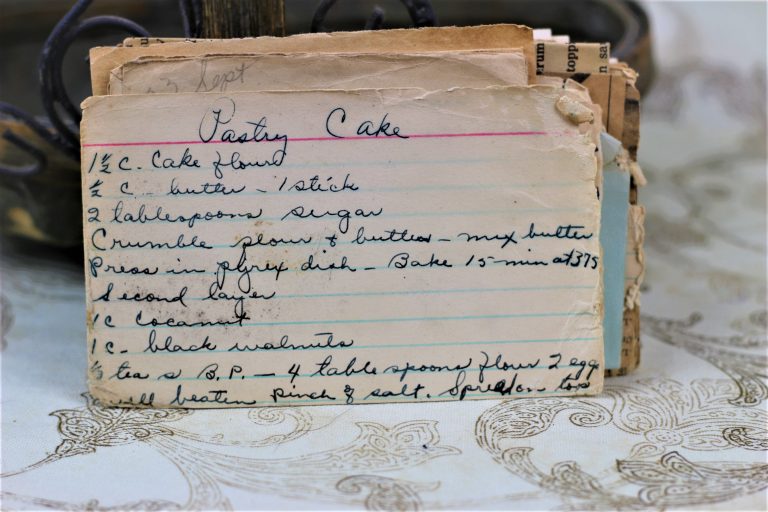

Do you know this handwriting?
If this recipe looks like one from your family’s kitchen, or you grew up eating this, tell us below.
Leave a memory
What size pan do you use for the miracle whip cake??