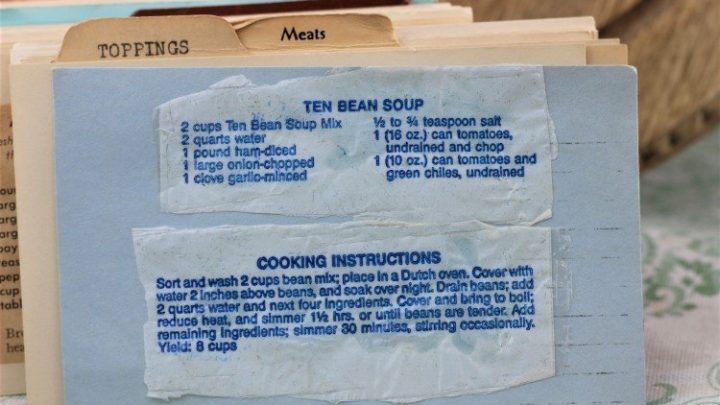
Bean soup is a classic, comforting dish that has been a staple in American kitchens for generations. Packed with protein, fiber, and a variety of flavors, bean soup is not only filling but also nutritious. In this guide, we’ll explore the most popular types of beans used in soups in the United States, delve into the benefits of healthier bean soups, and answer some common questions about preparing and storing this beloved dish.
Join our Vintage Recipe Facebook Group to discuss and find “new” old recipes to enjoy.
Links to find other recipes:
Bean Soup
Bean Soup FAQ
Do you have to soak soup beans before cooking?
Soaking beans before cooking is not necessary, but it can be beneficial. Soaking beans helps reduce cooking time and can make them easier to digest by reducing some of the indigestible sugars that cause gas.
If you prefer not to soak your beans, you can cook them directly, but be prepared for a longer cooking time.
There are two main methods for soaking beans:
- Overnight Soak: Place the beans in a large bowl, cover them with water, and let them soak for at least 8 hours or overnight. Drain and rinse the beans before cooking.
- Quick Soak: If you’re short on time, you can use the quick soak method. Place the beans in a pot, cover them with water, and bring to a boil. Boil for 2-3 minutes; remove from heat, cover, and let the beans soak for 1 hour. Drain and rinse before cooking.
Do you cover bean soup while cooking?
Whether to cover bean soup while cooking depends on the desired consistency and the type of beans used. Generally, it’s recommended to partially cover the pot while cooking it. This allows some steam to escape, which helps to thicken the soup slightly without losing too much liquid. If you want a thicker soup, you can leave the pot uncovered during the last 30 minutes of cooking to let more liquid evaporate. Conversely, if the soup is too thick, cover it completely or add more broth or water.
What does vinegar do to bean soup?
Adding a splash of vinegar to bean soup can enhance the flavor and help with the texture of the beans. Vinegar adds a tangy acidity that brightens the overall flavor of the soup, balancing the richness of the beans and other ingredients. Additionally, the acidity of vinegar can help soften the beans, especially if they’ve been cooking for a long time and are still slightly firm. It’s best to add vinegar towards the end of the cooking process to prevent the beans from becoming too mushy. Common vinegars used in bean soups include apple cider vinegar, white vinegar, or balsamic vinegar, depending on the flavor profile you desire.
What thickens bean soup?
There are several ways to thicken bean soup if it’s too thin:
- Mash Some of the Beans: One of the easiest methods is to use a potato masher or the back of a spoon to mash a portion of the beans directly in the pot. This will release the starches from the beans, naturally thickening the soup.
- Use a Blender: You can also remove a cup or two of the soup, blend it until smooth, and then stir it back into the pot. This method works well if you want a creamy texture without adding extra ingredients.
- Add a Thickener: If you prefer a more substantial thickening agent, you can mix a tablespoon of cornstarch or flour with cold water to create a slurry, then stir it into the soup. Allow the soup to simmer for a few minutes to thicken.
- Include Potatoes or Squash: Adding starchy vegetables like potatoes or butternut squash to the soup will not only add flavor but also help thicken it as they break down during cooking.
Can you freeze bean soup?
Yes, bean soup freezes very well, making it a great option for meal prep or storing leftovers. To freeze bean soup, follow these steps:
- Cool the Soup: Allow the soup to cool to room temperature before freezing. This helps prevent condensation and freezer burn.
- Portion the Soup: Divide the soup into individual portions or larger containers, depending on how you plan to use it. Leave some space at the top of each container to allow for expansion as the soup freezes.
- Label and Freeze: Label the containers with the date and type of soup, then place them in the freezer. Bean soup can be frozen for up to 3 months.
When you’re ready to eat the soup, thaw it in the refrigerator overnight, then reheat it on the stove over medium heat until warmed through. If the soup is too thick after thawing, add a bit of broth or water to reach the desired consistency.
What beans are in 15 bean soup?
15 bean soup is a popular mixed bean soup that includes a variety of legumes, often sold as a pre-packaged blend. While the exact mix can vary by brand, common beans in 15 bean soup include:
- Pinto beans
- Navy beans
- Kidney beans
- Great Northern beans
- Black beans
- Lima beans
- Garbanzo beans (chickpeas)
- Lentils
- Split peas (green and yellow)
- Small red beans
- Black-eyed peas
- Cranberry beans
- Anasazi beans
- White beans
This mix creates a soup with a variety of textures and flavors, often seasoned with a ham hock, smoked sausage, or a flavorful broth. The soup is hearty, nutritious, and perfect for cold weather.

The Most Popular Beans Used in Soups in the U.S.
Beans are a versatile ingredient that forms the backbone of many soups, each type bringing its own unique texture and flavor. Here are some of the most popular beans used in soups across the United States:
- Navy Beans: Small and creamy, navy beans are a classic choice for soups, especially in traditional Navy Bean Soup. These beans have a mild flavor and a tender texture, making them perfect for hearty, comforting soups.
- Great Northern Beans: Slightly larger than navy beans, Great Northern beans are another popular choice for soups. They are often used in white bean soups, where their creamy texture and mild flavor shine. These beans pair well with herbs like rosemary and thyme.
- Pinto Beans: Pinto beans are a staple in Southwestern and Mexican-style soups. Known for their earthy flavor and speckled appearance, pinto beans are often used in chili and bean soups that feature bold, spicy flavors.
- Black Beans: Black beans are commonly used in Latin American-inspired soups. They have a rich, meaty texture and a slightly sweet flavor that pairs well with spices like cumin, garlic, and cilantro. Black bean soup is a popular dish, often garnished with sour cream and lime.
- Kidney Beans: Kidney beans are a favorite in hearty soups like chili. Their robust texture and slightly sweet flavor hold up well in long-cooking soups, making them a perfect addition to a pot of bean stew or minestrone.
- Lentils: While technically not a bean, lentils are a legume that is widely used in soups. Lentil soup is a nutritious, protein-packed dish that is easy to prepare and can be flavored with a variety of herbs and spices.
- Cannellini Beans: These large white beans are often used in Italian soups like minestrone and Tuscan bean soup. Cannellini beans have a creamy texture and a mild, nutty flavor that absorbs the flavors of the soup beautifully.
Healthier Bean Soups: Nutritious and Delicious
Bean soups are naturally healthy, but there are ways to make them even more nutritious without sacrificing flavor. Here are some tips for creating healthier bean soups:
- Use Low-Sodium Broth: Beans absorb a lot of liquid during cooking, so using low-sodium or homemade broth can help control the amount of salt in your soup.
- Add More Vegetables: Boost the nutritional content of your bean soup by adding a variety of vegetables. Carrots, celery, spinach, kale, tomatoes, and bell peppers are all great options that add vitamins, minerals, and fiber.
- Skip the Bacon or Ham: While traditional bean soups often include bacon or ham for flavor, you can create a healthier version by using smoked paprika or liquid smoke to achieve a similar taste without the added fat and calories.
- Include Whole Grains: Adding whole grains like barley, farro, or quinoa to your bean soup increases its fiber content and makes it even more filling. These grains also add a nice texture to the soup.
- Choose Lean Protein: If you want to add meat to your bean soup, opt for lean proteins like chicken or turkey instead of fattier cuts. You can also add tofu or tempeh for a plant-based protein boost.
- Limit Added Fats: Use healthy fats like olive oil in moderation and avoid adding too much cream or cheese to keep the soup lighter and lower in calories.
- Cook from Scratch: Making your bean soup from scratch allows you to control the ingredients and avoid the added sugars, sodium, and preservatives found in canned soups.
Be sure to check out our Cornbread Recipes and Homemade Bread Recipes to find more warm (and possibly crusty!) goodness that will go well with your bowl of yum.
The History of Bean Soup: A Humble and Hearty Dish
Bean soup has a long history as a staple food in many cultures, celebrated for its simplicity, affordability, and nutritional value. Beans have been a dietary staple for thousands of years, dating back to ancient civilizations in South America, Africa, and Asia.
In the United States, bean soup has been a common dish since colonial times. It was particularly popular among early settlers and pioneers who valued beans for their long shelf life and high protein content. Beans were easy to store, transport, and cook, making them an essential food source for those living in rural areas or traveling long distances.
One of the most famous bean soups in American history is the Navy Bean Soup, which has been served in the U.S. Senate dining room since the early 20th century. This tradition started when a Minnesota senator requested the soup be added to the menu, and it has remained a staple ever since.
Bean soup has also been a popular dish in the American South, where it is often made with pinto beans or black-eyed peas and flavored with ham hocks, bacon, or other smoked meats. This type of bean soup is commonly served with cornbread, making for a hearty and satisfying meal.
Bean Soup Timeline: From Ancient Staple to Modern Comfort Food
- Ancient Civilizations: Beans have been cultivated and used in soups for thousands of years, particularly in South America, Africa, and Asia.
- Colonial America: Bean soup becomes a common dish among settlers and pioneers, valued for its simplicity and nutritional value.
- Early 20th Century: Navy Bean Soup becomes a fixture in the U.S. Senate dining room, symbolizing the dish’s popularity and enduring appeal.
- Mid-20th Century: Bean soup remains a staple in American households, often made with regional variations and served with cornbread or crusty bread.
- 21st Century: Bean soup continues to be a beloved comfort food, with an emphasis on healthier versions that incorporate more vegetables and whole grains.
Serving Suggestions for Bean Soup
Bean soup is a versatile dish that can be served in a variety of ways:
- With Crusty Bread: Serve bean soup with a side of crusty bread or cornbread for a complete, satisfying meal.
- Garnished with Fresh Herbs: Add a sprinkle of fresh parsley, cilantro, or chives on top of the soup for a burst of color and flavor.
- Topped with Cheese: A bit of grated Parmesan, cheddar, or a dollop of sour cream can add richness to the soup.
- With a Salad: Pair bean soup with a light salad for a balanced meal that includes fresh greens.
January 6th is National Bean Day—let’s get legume-cy! Whether you’re into black, pinto, or garbanzo, it’s time to give these little powerhouses their day in the spotlight!
View other Bean Recipes and our Holiday Recipes.
Recommended Products for Making Bean Soup
The links below lead to top-rated products—if you use our links, we can save more recipes.
- Slow Cooker: A slow cooker is perfect for making bean soup, allowing the flavors to meld together over low heat.
- Immersion Blender: An immersion blender is handy for pureeing part of the soup to create a thicker consistency.
- Dutch Oven: A heavy-duty Dutch oven is ideal for cooking bean soup on the stovetop, ensuring even heat distribution.
Bean soup is a timeless dish that offers both comfort and nutrition. Whether you’re using classic beans like navy or pinto, or experimenting with a mix of 15 different varieties, bean soup is a versatile and satisfying meal that everyone can enjoy. By following a few simple tips and using quality ingredients, you can create a hearty, flavorful soup that’s perfect for any occasion.