
Baking Ingredients: What They Do and Why They Matter
Baking is a precise art, where each ingredient serves a crucial role in the final outcome of your creation. While many bakers are familiar with basics like flour and sugar, the variety and specificity of ingredients can be overwhelming. Understanding not just the main types but the subcategories—like the difference between white and brown sugar or the nuances of different fats—can make a significant difference in the texture, flavor, and rise of your baked goods. This guide explores baking ingredients from A to Z, offering an in-depth look at what they do and why they matter.
Join our Vintage Recipe Facebook Group to discuss and find “new” old recipes to enjoy.
Links to find other recipes:

Guide to Baking Ingredients
Applesauce
Applesauce is often used in baking as a substitute for oil, butter, or eggs, particularly in healthier recipes. It adds moisture and a subtle apple flavor while reducing fat content. It can also act as a binding agent, helping to hold ingredients together in recipes like cakes, muffins, and quick breads. Unsweetened applesauce is preferred when using it as a fat substitute to control the sweetness level in the final product.
Baking Powder
Baking powder is a leavening agent that combines an acid (such as cream of tartar) and a base (usually baking soda). It releases carbon dioxide when mixed with liquid and heat, causing doughs and batters to expand and rise. It’s commonly used in recipes like cakes, quick breads, and muffins.
Baking Soda (Sodium Bicarbonate)
Baking soda is an alkaline compound that reacts with acidic ingredients like buttermilk, yogurt, or vinegar. This reaction releases carbon dioxide, which helps baked goods rise and creates a light texture. It is essential in recipes requiring quick leavening, such as cookies and pancakes.
Butter
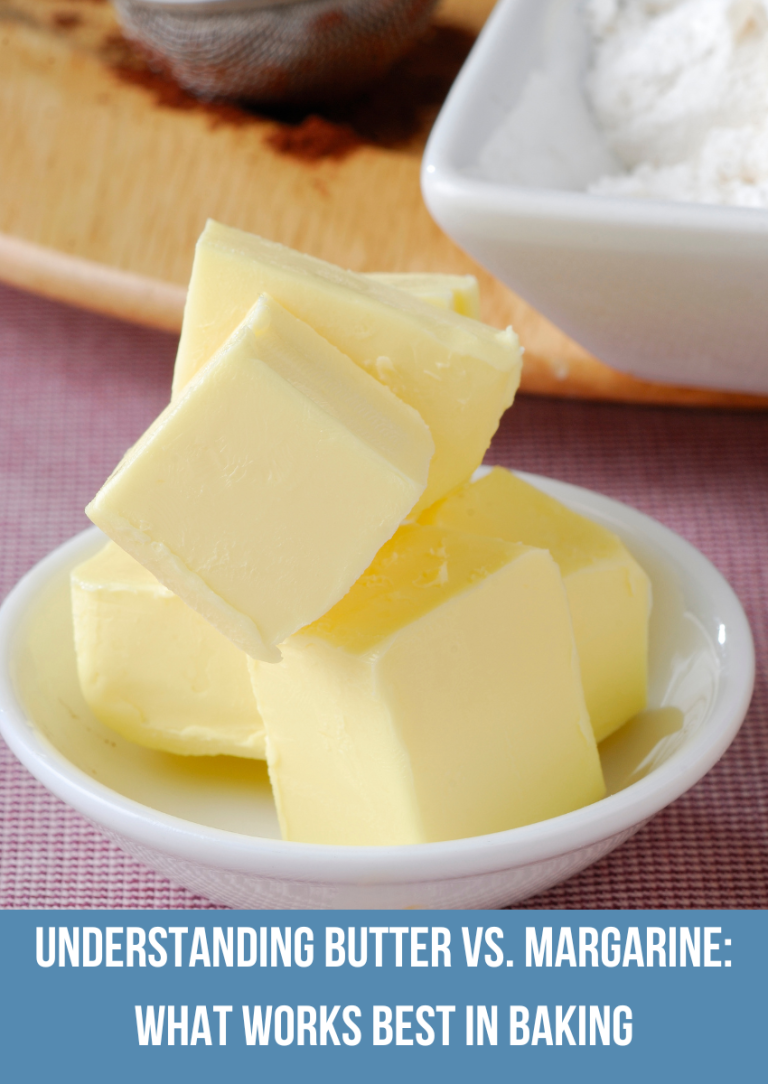
Butter is a common fat in baking that adds rich flavor, moisture, and contributes to the flaky texture of pastries. It contains both fat and water, which creates steam during baking, helping to leaven certain baked goods like puff pastry and croissants.
Chocolates
Chocolate adds flavor, richness, and texture to baked goods. It comes in several forms:
- Unsweetened Chocolate: Pure chocolate with no added sugar, used in recipes where other sweeteners are added.
- Bittersweet/Semisweet Chocolate: Contains some sugar and cocoa butter, providing a rich flavor perfect for brownies and cookies.
- Milk Chocolate: Contains a higher amount of sugar and milk solids, resulting in a creamier texture and milder flavor, ideal for candies and certain cookies.
- White Chocolate: Made from cocoa butter, sugar, and milk solids but contains no cocoa solids, giving it a sweet and creamy flavor.
Cocoa
Cocoa powder is made from roasted and ground cocoa beans, with most of the fat removed. It comes in two main varieties:
- Natural Cocoa Powder: Acidic in nature and often used in recipes that require baking soda. It has a strong, pure chocolate flavor.
- Dutch-Processed Cocoa Powder: Treated with an alkali to neutralize its acidity, making it darker and milder in flavor. It’s typically used in recipes with baking powder or when a less intense flavor is desired.
Cream of Tartar
Cream of tartar is an acidic powder often used to stabilize egg whites when making meringues or whipped cream. It also acts as a key ingredient in baking powder and prevents sugar crystals from forming, resulting in a smooth texture for candies and frostings.
Eggs
Eggs provide structure, moisture, and richness to baked goods. The whites add volume and lightness, making them essential in meringues and soufflés, while the yolks contribute tenderness, flavor, and color. Eggs also act as a binding agent, holding other ingredients together.
Flour
Flour is the foundation of most baked goods, providing structure through gluten formation. The most common types include:
- All-Purpose Flour: A versatile flour suitable for most baking needs, it has a moderate protein content, making it useful for cookies, cakes, breads, and pastries.
- Bread Flour: High in protein, it builds strong gluten structures, making it ideal for chewy bread and pizza dough.
- Cake Flour: Low in protein, it creates a tender, delicate crumb, perfect for cakes and delicate pastries.
- Pastry Flour: This flour has a lower protein content than all-purpose but is higher than cake flour. It strikes a balance, making it ideal for pie crusts, cookies, and other tender baked goods where you need some structure but not as much as bread flour provides.
- Self-Rising Flour: This flour already contains baking powder and salt, making it a convenient option for quick breads, biscuits, and pancakes. It is typically made from all-purpose flour but with added leavening agents.
- Whole Wheat Flour: Made from the entire wheat kernel, it has a higher protein content than all-purpose flour but also includes the bran and germ, which give it a denser texture. It’s used in rustic breads, muffins, and healthier baked goods.
Fats (Butter, Shortening, Oil, and Lard)
Fats influence the texture, moisture, and flavor of baked goods:
- Butter: Adds flavor and flakiness, especially in pastries.
- Lard: Traditionally used for its unique flavor and ability to produce flaky, tender results in pastries and biscuits.
- Oil: Provides moisture, making cakes soft and moist for longer.
- Shortening: Creates a tender, crumbly texture, often used in pie crusts and cookies.
Fruits
Fruits add natural sweetness, flavor, and moisture to baked goods. They can be used fresh, dried, or pureed:
- Fresh Fruits: Such as berries, apples, bananas, and citrus, add moisture, flavor, and texture to cakes, muffins, and pies.
- Dried Fruits: Like raisins, cranberries, and dates, provide concentrated sweetness and chewiness, enhancing cookies, breads, and granola bars.
- Pureed Fruits: Such as banana or pumpkin puree, are often used as a fat substitute or to add moisture and flavor to cakes, muffins, and quick breads.
Grains
Grains are a crucial component in baking, contributing structure, flavor, and texture. They come in various forms and are often used whole, cracked, or ground into flour. Common grains used in baking include:
- Barley: Often used in whole or flour form, barley adds a nutty flavor and moisture to baked goods like bread and muffins. It has a lower gluten content, making it suitable for denser bakes.
- Buckwheat: Despite its name, buckwheat is gluten-free and is often used in pancakes, muffins, and other baked goods for its earthy, rich flavor.
- Cornmeal: Made from ground corn, it adds a slightly sweet, grainy texture to cornbreads, muffins, and other rustic bakes.
- Oats: Used as rolled, quick-cooking, or steel-cut, oats add chewiness and texture, commonly seen in cookies, muffins, and breads.
- Quinoa: Used as whole grains or ground into flour, quinoa is gluten-free and provides a nutty flavor and protein boost, often used in gluten-free baking.
- Rye: This grain has a distinct flavor and is commonly used in bread-making. Rye flour has less gluten than wheat, resulting in denser, heartier breads.
- Wheat: The most common grain, wheat is often ground into flour (all-purpose, bread, whole wheat) and is the foundation for most baked goods due to its gluten-forming properties.
Grains add nutritional value and diversity in texture and flavor, allowing bakers to experiment beyond traditional wheat-based baking.
Leavening Agents (Baking Powder, Baking Soda, Yeast)
Leavening agents are essential for helping doughs and batters rise. Baking powder and soda work quickly, making them perfect for cakes and cookies, while yeast is a slower-acting agent used for breads, where its fermentation process develops flavor and structure.
Milk and Dairy Products
Dairy ingredients like milk, buttermilk, yogurt, and cream add moisture, tenderness, and flavor. When combined with leavening agents, they help improve browning and contribute to the rise. Buttermilk’s acidity is particularly useful for activating baking soda.
Oats
Oats are commonly used in baking for their texture, flavor, and nutritional benefits. They come in various forms:
- Old-Fashioned Rolled Oats: These are steamed and flattened, and their chewy texture makes them perfect for cookies, bars, and granola.
- Quick-Cooking Oats: These oats are cut smaller and processed further, so they cook faster and are often used in recipes that need a softer, less chewy texture.
- Steel-Cut Oats: These are the least processed, cut into pieces rather than rolled, and provide a nutty flavor and a firmer texture. They are not typically used in baking unless specifically called for, as they require longer cooking times.
- Oat Flour: Ground from oats, it adds a mild, nutty flavor and a moist texture to baked goods, often used in gluten-free baking.
Oils
Different oils are used in baking for their moisture content and flavor. Common options include:
- Vegetable Oil: Neutral in flavor, this oil is commonly used in cakes, muffins, and brownies for a moist, tender texture.
- Olive Oil: Adds a rich, fruity flavor that works well in savory baked goods or specialty cakes like olive oil cakes.
- Coconut Oil: Solid at room temperature, it adds a slight coconut flavor and works well as a substitute for butter in vegan baking.
- Canola Oil: Similar to vegetable oil, it has a neutral flavor and is often used in baking for its light texture and low saturated fat content.
Salts
Salt is not just for flavor; it also plays a structural role in baking. Different types of salts include:
- Table Salt: The most common salt in baking, it dissolves easily and has a fine texture.
- Kosher Salt is coarser than table salt and is often used in cooking. However, it can also be used in baking for a slightly different texture and flavor. When substituting for table salt, it’s important to adjust measurements.
- Sea Salt: Derived from evaporated seawater, it varies in coarseness and mineral content, which can impact flavor. It’s typically used as a finishing touch for a burst of salty flavor and texture.
Salt Conversion Guide
Table Salt to Other Salts
- 1 teaspoon table salt = 1 ¼ teaspoons kosher salt (large grain)
- 1 teaspoon table salt = ¾ teaspoon kosher salt (small grain)
- 1 teaspoon table salt = 1 ½ teaspoons coarse sea salt
- 1 teaspoon table salt = 1 ½ teaspoons flaky sea salt
Kosher Salt to Other Salts
- 1 teaspoon large grain kosher salt = ¾ teaspoon table salt
- 1 teaspoon small grain kosher salt = 1 teaspoon table salt
- 1 teaspoon large grain kosher salt = 1 teaspoon coarse sea salt
- 1 teaspoon small grain kosher salt = 1 teaspoon coarse sea salt
- 1 teaspoon large grain kosher salt = 1 teaspoon flaky sea salt
- 1 teaspoon small grain kosher salt = ¾ teaspoon flaky sea salt
Sea Salt (Coarse) to Other Salts
- 1 teaspoon coarse sea salt = 1 teaspoon large grain kosher salt
- 1 teaspoon coarse sea salt = 1 teaspoon small grain kosher salt
- 1 teaspoon coarse sea salt = 1 teaspoon flaky sea salt
- 1 teaspoon coarse sea salt = ¾ teaspoon table salt
Flaky Sea Salt to Other Salts
- 1 teaspoon flaky sea salt = 1 teaspoon large grain kosher salt
- 1 teaspoon flaky sea salt = ¾ teaspoon small grain kosher salt
- 1 teaspoon flaky sea salt = 1 teaspoon coarse sea salt
- 1 teaspoon flaky sea salt = ¾ teaspoon table salt
Sugars
Sugars not only sweeten but also affect texture, moisture, and browning:
- Granulated Sugar: Adds sweetness and assists with browning and crisping.
- Brown Sugar: Contains molasses, adding moisture, flavor depth, and chewiness.
- Powdered Sugar: Finely ground, making it ideal for frostings, icings, and delicate cakes.
- Specialty Sugars (e.g., Demerara, Turbinado): They provide texture and flavor depth and are often used as crunchy toppings.
Vanilla Extract
A staple in most baked recipes, vanilla extract enhances flavors, providing a rich, aromatic quality. It’s often used to complement other ingredients like chocolate, nuts, or fruit.
Yeast
Yeast is vital for bread-making, as it ferments and produces carbon dioxide, allowing dough to rise and develop its structure. The types of yeast include active dry, instant, and fresh, each with specific usage requirements for best results.
Mastering Your Bakes with Ingredient Know-How
Baking is as much about understanding your ingredients as it is about following a recipe. By knowing how each component works and the various options available—whether it’s the type of sugar or the fat—you can make informed choices that enhance the texture, flavor, and appearance of your baked goods. With this knowledge, you can experiment confidently, troubleshoot issues, and bring out the best in every bake.
Start Your Recipe Box
- Start your recipe box or your family or friends. View New and Vintage Recipe Boxes
- View Recipe Cards and Templates
- View Recipe Card Protectors and Sleeves
Vintage Goodies
More kitchen tips
See them all


Do you know this handwriting?
If this recipe looks like one from your family’s kitchen, or you grew up eating this, tell us below.
Leave a memory